
HOW CAN WE HELP YOU?

Click to Call (Laredo) Click to Call (San Antonio)

201 W Del Mar Blvd, Suite 20
Laredo, TX 78041

Get Directions

3740 Colony Dr, Suite 280
San Antonio, TX 78230

Get Directions

AlphaSure Affordable Insurance Svcs Blog

Lease vs. Loan: How Your Choice Changes Your Auto Insurance Requirements

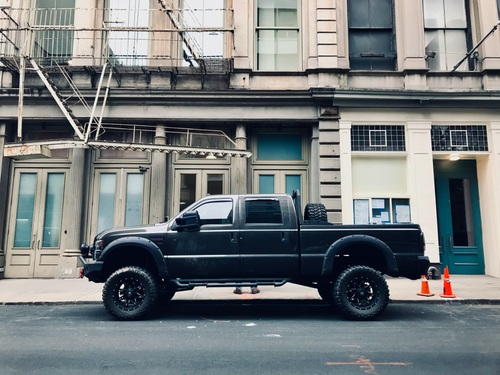
A couple drove in from Laredo to a San Antonio auto dealership buying a truck and considering their auto insurance options

Are you planning to get a new set of wheels? If so, you must decide how to pay for it. Most drivers either choose a standard fixed-rate loan or a vehicle lease. Both options get you into a new car, but they work in very different ways. Crucially, your choice might also change your auto insurance requirements.

Understanding these differences will help you budget accurately. Let us break down how leases and loans impact your wallet and your coverage.

The Auto Insurance Variable: Buying vs. Leasing a Vehicle

When you take out a standard fixed-rate loan, you pay to buy the vehicle. A bank lends you the money, and you pay it back over several years. Each monthly payment builds equity. Once you make the final payment, the car is completely yours. You can drive it as much as you want without any penalties.

Leasing is very different because it is like a long-term rental. You pay the dealership for the vehicle’s loss of value over a short period, which is usually two to three years. Because you do not own the car, you must follow strict rules. For example, you face mileage limits and wear-and-tear guidelines. When the lease ends, you must return the vehicle or purchase it.

How Your Choice Impacts Auto Insurance

Because lenders and leasing companies own a financial stake in your car, they want to protect their investment. Therefore, they may not let you drive off the dealership with just basic state coverage. However, a lease comes with much stricter rules than a loan.

Here is how your choice changes your auto insurance requirements:

  • With a Standard Loan: Your lender wants to ensure the car can be repaired after an accident. They will require you to buy comprehensive and collision coverage. Usually, they allow you to pick a higher deductible, like $1,000, to lower your premium. They normally won’t require higher auto liability insurance limits, though buying more protection is always smart.
  • With a Vehicle Lease: The leasing company owns the vehicle completely. If you cause a massive accident, they could face lawsuits. Thus, to protect themselves, leasing companies may require high liability limits on your auto insurance policy. Most leasing contracts require $100,000 per person and $300,000 per accident for bodily injury, plus $50,000 for property damage. In addition, they may also cap your deductible at $500, so you can afford repairs.

Fortunately, many leases include gap insurance automatically. This coverage protects you if your vehicle is totaled. It pays the difference between what the car is worth and what you still owe on the contract. It is recommended that gap insurance be purchased from the dealership.

Why You Need an Independent Insurance Agent

These stricter rules mean that insuring a leased vehicle often costs more for auto insurance. If you move from state minimum limits to lease requirements, your bill could jump significantly.

This is exactly why you should work with a local independent auto insurance agent, like AlphaSure Affordable Insurance Services. Unlike a captive agent who works for just one company, an independent agent can shop around for you among several carriers. Thus, they gather quotes from many different providers at the same time. Consequently, with more options comes more possibilities to save on auto insurance.

Final Thoughts

Choosing between a lease and a loan involves more than just comparing car payments. A lease may offer lower monthly payments, but it usually forces you to buy higher liability limits or lower deductibles on your auto insurance. Before you sign any paperwork at the dealership, call your local independent car insurance agent. They will help you check the numbers so you can drive away with total peace of mind.

Read More

The  Auto Insurance Parent’s Survival Guide to Insuring a Teen Driver

Dad handing over keys to teen driver he added to his auto insurance they are parked in front of the Alamo in San Antonio TX

The day finally arrives. Your teenager proudly hands you their brand-new driver’s license. While they dream of open roads and freedom, you probably see dollar signs. It is no secret that adding a young driver to your household can cause a major spike in auto insurance bill.

Fortunately, you do not have to navigate this pricey transition alone. You can protect both your peace of mind and your wallet. This survival guide outlines the best steps to manage the cost of auto insurance without cutting essential safety corners.

Why Do Teen Auto Insurance Rates Cost So Much?

Auto insurance companies determine prices based on risk. Because teenagers lack experience on the road, they statistically get into more accidents. Consequently, insurers raise premiums to cover that risk. In fact, adding a 16-year-old to a family plan can increase your annual costs significantly.

Fortunately, you can use several smart strategies to keep these costs under control.

Smart Ways to Lower Your Auto Insurance Premium

You can take action immediately to lower your overall auto insurance bill. Here are the most effective tactics available to parents:

  • Utilize the Good Student Discount: Most companies offer a discount if your teen maintains a “B” average or higher. Encourage your teen to keep their grades up, as it directly saves you money.
  • Invest in Driver Education: Complete a certified driver training course. Some insurers reward this proactive safety step with a lower rate.
  • Choose the Right Vehicle: Do not hand your teen the keys to a brand-new sports car. Instead, assign them to the older, least expensive car to insure. Newer vehicles come equipped with modern technology. Thus, a newer, more modern vehicle, typically cost more to insure. Older vehicles typically cost less to insure. .
  • Bundle Your Policies: You can often unlock deep discounts by keeping multiple policies with the same provider. Consider grouping your home and car coverage together.

Let a Local Expert Do the Auto Insurance Shopping

The absolute best way to save money on auto insurance is to compare options. However, calling dozens of different companies takes hours of your free time. This is where a local independent car insurance agent makes a massive difference.

Unlike a captive agents who work for just one company, an independent agent has access to several. A trusted local partner like AlphaSure Affordable Insurance Services can shop around for home or auto insurance on your behalf. Thus, an independent insurance agent may check with multiple top-rated carriers to find the best possible price for your family.

Talk to Your Teen About Safety

Ultimately, the best long-term discount is a clean driving record. Thus, it is highly recommended that you talk openly with your teenager about the dangers of distracted driving. Set firm rules regarding phone use and passenger limits. If they avoid tickets and accidents, your premiums should naturally drop over time.

Securing the right coverage does not have to break the bank. By staying proactive and working with a local independent agent, you can survive the teen driving years with your budget intact.

Read More

Auto Insurance Actual Cash Value vs. Replacement Cost: What Happens If Your Car Is Totaled?

Image showing the difference between actual cash value vs replacement cost in auto insurance

Imagine driving home on a rainy evening. Suddenly, another car slides into yours. Everyone walks away safe, but your vehicle is completely destroyed. Later, your insurance company delivers the bad news: your vehicle is a total loss. Now, you face a major question about your auto insurance policy. How exactly will the company calculate your payout?

When a vehicle is totaled, car insurance companies use two main methods to pay out claims. These two options are Actual Cash Value (ACV) and Replacement Cost. Understanding these terms helps you choose the right coverage ahead of time and avoids nasty surprises during a claim.

What is Actual Cash Value (ACV) in Auto Insurance?

Actual Cash Value is the standard option for most basic auto insurance policies. Essentially, ACV pays you exactly what your car was worth right before the accident occurred.

To find this specific number, the auto insurance company looks at the original purchase price of your vehicle. Then, they subtract depreciation. Depreciation is the natural loss of value over time due to normal wear and tear. For example, if you bought a car for $30,000 five years ago, it might only be worth $15,000 today. Therefore, under an ACV policy, $15,000 less any deductible is the final check amount you would receive.

What is Replacement Cost Coverage?

Replacement Cost coverage works quite differently. Instead of looking at current market value, it pays to buy a brand-new car of the exact same make and model. Crucially, this option does not subtract any money for depreciation.

Consequently, if your five-year-old car is totaled, a replacement cost policy pays for a current, brand-new version of that vehicle. This coverage gives you complete peace of mind after an accident. However, it comes with a major catch. Replacement cost coverage is very rare for standard auto insurance and usually costs much more. In fact, most companies only offer it for brand-new cars during their first year of ownership.

Why the Difference Matters to Your Auto Insurance Premium

The gap between ACV and Replacement Cost can be an impact to your financial health. For instance, cars lose value very quickly. In reality, a brand-new vehicle loses about twenty percent of its total value in the first twelve months alone.

If you have an ACV policy and still owe money on your vehicle, you might face a serious problem. Your insurance payout might be thousands of dollars less than what you still owe on your vehicle loan. This stressful situation leaves you paying off a loan for a car you can no longer drive. In this instance, buying a gap insurance policy at the dealership is highly advisable.

How a Local Independent Auto Insurance Agent Can Help

Choosing the right auto insurance policy can feel overwhelming. Fortunately, you do not have to shop for coverage alone. A local independent agent like AlphaSure Affordable Insurance Services can guide you through the process seamlessly.

Independent agents do not work for just one specific insurance company. Instead, they work with many! Thus, they compare rates from many different providers to find the best deals. Additionally, AlphaSure Affordable Insurance Services can help you shop for car or home insurance at the same time.

Final Thoughts on Choosing Your Policy Getting the right insurance policy can protect your finances from sudden disasters. Always review your options carefully before you sign a new contract. If you live in Texas, call AlphaSure Affordable Insurance Services today to get an home or auto insurance quote. If you prefer an in-person visit, come by our local Laredo or San Antonio, TX office.

Read More

The Deductible Math: When Does Raising Your Car Insurance Deductible Actually Make Sense?

Balance showing the car insurance premium is inversly related to the deductible

Choosing a car insurance policy can feel like a big puzzle. You want great coverage, but you also want a lower monthly payment. One common method to save money is raising your deductible. But when does this financial move actually make sense? Let’s break down the math in plain English so you can make an educated choice for your wallet.

What is a Car Insurance Deductible?

A car insurance deductible is an amount applied to covered comprehensive or collision claims.  Essentially, you will be responsible to pay the deductible out of pocket before your insurance company pays for damages due to a covered claim. For example, imagine you get into a minor fender bender. The vehicle repairs cost $1,200. If your deductible is $500, you pay $500 first, and your insurance covers the remaining $700.

The Basic Math: Premium vs. Deductible

Insurance companies follow a simple rule: when your deductible goes up, your monthly premium goes down. This happens because you take on more of the initial financial risk. If you raise your deductible from $250 to $1,000, your car insurance premium drops. However, you must consider that in the event of a covered claim you will need to be ready with $1,000 to pay for the deductible.

When Does Raising the Car Insurance Deductible Make Sense?

  • First, examine your personal savings. Raising your deductible only works if you can pay that higher deductible amount tomorrow without stress. If an unexpected $1,000 expense ruins your budget, then it may be better to keep a lower deductible for now.
  • Second, think about your driving history and habits. Have you gone many years without an accident? Do you drive a safe route? If your risk of making a claim is low, a higher deductible can save you hundreds of dollars each year.
  • Third, do a quick math calculation. Suppose raising your deductible saves you $150 a year on car insurance. If you go more than five years without a claim, you have saved $750. Conceivably, that savings can offset the cost of the deductible if you ever get into a crash.

How a Local Independent Car Insurance Agent Helps

You do not have to calculate these numbers by yourself. Shopping for car insurance can get overwhelming quickly. That is why working with a local independent insurance agent like AlphaSure Affordable Insurance Services is a smart move.

Unlike brand agents who only sell one product, independent agents shop around with many different companies. Therefore, they find the best rates and coverage options for your budget. They can run the numbers for you to show exactly how much you will save by changing your deductible. Plus, they understand your local community and can provide personalized advice.

Final Thoughts

Raising your deductible is a proven way to lower your insurance costs. However, you should only do it if you have a solid emergency fund. Talk to the experts at AlphaSure Affordable Insurance Services today to find the car insurance plan that you can live with.

Read More

The Hidden Costs of a Coverage Lapse in Car Insurance

A checklist of typical discounts found in many Texas car insurance policies.

Have you ever thought about letting your car insurance coverage “pause” for a few weeks? Maybe you are between vehicles right now. Or perhaps you just want to save a quick buck this month. However, you should think twice before you make that choice.

A gap in your auto policy is called a coverage lapse. It might seem harmless at first glance, but it may cost you more in the long run. These unexpected costs can hurt your wallet for many years to come.

Fortunately, you can avoid these financial traps easily. Let us look at why keeping your policy active matters so much, and how an independent agency can protect your budget.

The Hidden Costs of a Car Insurance Coverage Lapse (And How to Avoid One)

The Real Price of a Car Insurance Gap

1. Your Premium Rates Will Increase

Insurance companies view drivers with a coverage gap as high-risk clients. Consequently, when you finally buy a new policy, companies will charge you a much higher premium. This is because, you will lose your “continuous insurance” discount. Thus, depending on the insurance company, a few days can double your future car insurance rates.

2. You Will Pay Heavy Legal Fines

In Texas, the TexasSure program keeps a database of insured vehicles. As a result, there some jurisdictions in Texas that actively seek to fine and tow uninsured vehicles. This will lead to fines and inconveniences that could have been avoided.

3. You Face High Out-of-Pocket Expenses

Accidents always happen when you least expect them. If you cause a crash during an insurance lapse, you must pay for all vehicle repairs out of your own pocket. Furthermore, you have to cover medical bills for anyone you may have injured. As a result, you can find yourself in a lawsuit. This single mistake can easily lead to complete financial ruin.

How to Safely Avoid a Car Insurance Coverage Lapse

You never have to suffer through these high costs. Instead, you can follow these simple steps to protect your household budget:

  • Use Non-Owner Car Insurance: If you sell your vehicle but plan to buy another one soon, get a non-owner policy. This special car insurance policy keeps your insurance history clean and keeps your future rates low.
  • Set Up Auto-Pay: Avoid accidental cancellations by letting your bank handle your monthly payments automatically.
  • Plan Your Timing Ahead: Never cancel an old policy until your new car insurance policy is active.

Let a Local Car Insurance Professional Do the Work

Shopping for car insurance coverage alone feels overwhelming. Fortunately, you do not have to do it by yourself. A local independent agent can find the best deals for your specific situation.

AlphaSure Affordable Insurance Services helps local drivers search the insurance market. Because they are independent, AlphaSure can compare multiple top companies at once. They work hard to find cheap car insurance or home insurance without sacrificing your protection.

Call a local independent insurance agent today to keep your record clean, avoid lapses, and save your hard-earned money.

Visit one of our Local Car Insurance Agencies

Call our Laredo, TX office at (956) 729-9500

Call our San Antonio, TX office at (210) 888-1750

Read More

Do You Have Low Liability Limits on Your Auto Insurance?

Person in a San Antonio Court litigating an at fault accident with low liability on his auto insurance

When you buy auto insurance in Texas, you might naturally focus on protecting your own vehicle. It makes perfect sense to worry about a dented bumper or a totaled car. However, many drivers make a major mistake during this process. They choose the lowest possible liability limits just to save a few dollars on their monthly premium bill.

Understanding Liability Coverage in Auto Insurance

What exactly is liability coverage? This crucial part of your auto insurance policy pays for property damage and bodily injuries you cause to other people in an accident. Currently, Texas law requires minimum limits of 30/60/25. This means that if you are at fault in an accident, your policy pays up to $30,000 for an injured person, $60,000 total for all injuries in one wreck, but not one person gets more than $30,000, and $25,000 for property damage.

These numbers might sound large at first, but medical care and new vehicles cost a fortune today. Consequently, if you cause a serious crash, you can easily blast past these minimum state requirements. For instance, if you total someone’s new $60,000 SUV, your minimum policy only covers $25,000. Therefore, you must pay the remaining $35,000 completely out of your own pocket.

The Real Danger Behind Having Low Liability Limits on an Auto Insurance Policy: Lawsuits and Legal Fees

Even worse, the other driver might decide to sue you for the remaining balance. A massive lawsuit brings expensive lawyers, courtroom costs, and endless stress. Ultimately, paying for a major legal battle is far worse than losing a cheap $2,500 car. If you lose the case, those mounting legal bills can drain your personal savings, spark wage garnishment, or force you to sell your assets.

Low liability limits put your entire financial future at risk simply to save a tiny bit of money today. Fortunately, increasing your coverage limits gives you peace of mind and shields your hard-earned money from sudden disasters.

Protect Yourself with a Local Car Insurance Expert

Do not navigate these complex choices alone. Call a local independent insurance agent like AlphaSure Affordable Insurance Services today. Independent agents compare multiple companies to find the best rates for your car or home insurance. They will ensure you get the protection you actually need at a price you can easily afford.

Read More

Rental Reimbursement & Car Insurance in Texas

Car insurance customer is picking up his rental car at a San Antonio rental car agency

Imagine this scenario: You just filed a collision claim  on your car insurance after a fender bender in downtown San Antonio. Your vehicle needs a week of bodywork, so you head to a local San Antonio rental car agency to pick up a temporary ride. You have a road trip planned down Interstate 35 to Laredo, but you stop and wonder: How does my Texas car insurance policy handle this rental?

Understanding how your policy moves with you is the best way to avoid surprise costs. Let’s break down how rental reimbursement works, whether it pays for physical damage, and if your coverage will follow you down to Laredo.

What is Rental Reimbursement Coverage in a Car Insurance Policy?

Rental reimbursement is an optional coverage add-on to your Texas auto insurance policy. You must buy this coverage before an accident occurs to use it. If your personal car is damaged in a covered collision or comprehensive claim, this feature pays for cost of a temporary rental car while your vehicle is in the shop.  It will pay up to the limits shown your policy declarations page.

Texas policies typically structure this benefit with a daily limit and a maximum total limit per accident. For example, your plan might cover up to $40 per day for a maximum of 30 days. The insurance company pays the rental agency directly, or they reimburse you after you submit your receipts.

However, you must remember one key detail: This coverage only pays the rental agency’s daily fee, taxes, and basic administrative costs. It does not pay for gasoline, security deposits, nor any damage you may cause to the rental.

Will Rental Reimbursement Cover Damages to the Rental Car?

No, rental reimbursement coverage will not pay for physical damage to the rental car. Rental reimbursement only pays the cost to rent the vehicle up the policy limits shown on the car insurance policy declarations.

If you scrape a pole or get into a second accident while driving the rental vehicle, rental reimbursement will not help. Instead, your primary auto policy may step in to cover those physical losses. Refer to your policy or talk to a licensed agent about this.

Will Your Car Insurance Follow You to Laredo?

First off, it is very important to read your policy or talk to your agent. In general, your auto insurance coverage may follow you. When you pick up your temporary vehicle in San Antonio and drive south to Laredo, your liability coverage to others will cover the damages you cause to another party. Some policies, but not all, will extend physical damage coverage, comprehensive and collision to rental car minus the deductible. 

For some car insurance policies, this information may not apply.

Nevertheless, here is how your primary car insurance policy may apply to that rental car:

  • Liability Coverage: If you cause an accident on the way to Laredo, the liability insurance portion of your auto policy will pay for the damage to the other driver’s car and any medical bills they incur.
  • Collision Coverage: If you hit a guardrail or another vehicle, your collision coverage pays for the physical damage to the rental car, minus your deductible. Once again, read your policy carefully. Some non-standard policies may not cover rental cars at all.
  • Comprehensive Coverage: If a sudden hailstorm damages the rental car while parked in Laredo, your comprehensive coverage will pay for the repairs, minus your deductible.

Watch Out for Rental Agency Fees

Your personal insurance policy may cover the physical damage of the rental, but rental car agencies often charge extra hidden fees after an accident. The two most common are “loss of use” fees and “diminution of value” fees.

Loss of use fees are assessed by the rental car company to cover the money the rental agency loses while their car is in the shop and cannot be rented to someone else. Diminution of value fee is assessed to cover the drop in the vehicle’s resale market value because it now has an accident history.

Standard Texas auto policies frequently do not pay for these rental car agency administrative fees. Because these fees are typically not covered by a car insurance policy, it is highly recommended to purchase a damage waiver directly from the rental car agency.

Let AlphaSure Affordable Insurance Services Find the Right Policy for You

Navigating the details of rental reimbursement coverage does not have to be complicated. When you are shopping for your next auto insurance policy, partnering with an independent insurance agency like AlphaSure Affordable Insurance Services gives you the advantage. Because we are independent, we work with multiple top-rated insurance carriers to find you the best coverage and rates for your specific needs. Whether you want to ensure your coverage follows you on your next road trip or you just need to update your existing policy, our local team is here to help. You can easily go online to request a quick quote, give us a call, or stop by to visit us in person at either of our convenient office locations in San Antonio or Laredo, Texas.

Read More

Buying a car? Consider the Cost of Car Insurance First

shopper purchasing a car and discussing the total cost including car insurance

Are you buying a new or used car in Texas? Many buyers only look at the dealership sticker price. However, you must look at the total cost of ownership. Your car insurance premium makes up a massive part of this total cost. If you ignore insurance rates, you might end up with a monthly bill you simply cannot afford.

Therefore, researching coverage costs is vital. When you insure a vehicle, the insurance company evaluates its make, model, and year. Furthermore, they look at repair costs, theft rates, and safety ratings.

Let us dive into which vehicles from 2006 to 2025 cost the most and least to cover in the Lone Star State.

The Least Expensive Vehicles to for Car Insurance (2006–2025)

Generally, family-friendly vehicles and small SUVs cost the least to protect. Why? Because drivers usually operate them safely. In addition, they feature excellent safety equipment and use cheap replacement parts.

Here are the cheapest types and models to insure:

  • Small and Midsize SUVs: The Honda CR-V, Subaru Outback, and Ford Escape consistently offer great rates. These cars protect passengers well in crashes.
  • Minivans: The Honda Odyssey and Chrysler Pacifica rank as some of the cheapest vehicles to insure. Families drive them carefully, which leads to fewer accidents.
  • Rugged Off-Roaders: The Jeep Wrangler is historically cheap to cover. Mechanics can easily find and replace its parts.

New vs. Used: Older models, like a 2010 Honda CR-V, will cost much less to insure than a brand-new 2025 model. Older cars typically do not have modern aged technical components, like sensors. Consequently, this lowers the to repair a small fender bender.

The Most Expensive Vehicles for Car Insurance (2006–2025)

On the flip side, luxury cars, sports cars, and high-end electric vehicles will drain your wallet. These vehicles cost a fortune to repair.

  • Luxury Sports Cars: The Maserati Quattroporte, Porsche 911, and Audi R8 top the charts every year. They require expensive, imported parts and specialized labor.
  • High-Performance Muscle Cars: The Dodge Charger SRT Hellcat and Ford Mustang Shelby are very costly. Insurance companies know that drivers push these fast cars to their limits, which causes more severe wrecks.
  • Premium Electric Vehicles (EVs): High-end EVs, like the Tesla Model S and Porsche Taycan, carry massive insurance tags. They feature expensive battery packs and complex computers. Furthermore, mechanics need special training to fix them.

Why Texas Drivers Pay More for Car Insurance

Texas drivers face unique challenges on the road. We deal with destructive hail storms, busy highways in cities like San Antonio and Laredo, and a high number of uninsured drivers. Because of these local risks, finding a car in a low insurance bracket is even more critical here than in other states.

Conclusion

Before you sign any paperwork at the dealership, call an independent insurance agent like AlphaSure Affordable Insurance Services for free car insurance quote. Give them the Vehicle Identification Number (VIN) of the specific car you want. Getting a quote first ensures your dream car does not become a financial nightmare.

Read More

Understanding Permissive Use in Texas Car Insurance

Person handing over keys to another person because the car insurance allows permissive use for non household members

Have you ever lent your car keys to a friend so they could run a quick errand? Or maybe you have a relative visiting from out of town who needs to use your truck. When someone else gets behind your wheel, you might wonder: will my car insurance cover me if they crash?

To answer this question simply, car insurance in Texas generally follows the vehicle rather than the driver. Consequently, this rule introduces an important concept known as permissive use coverage. Let’s break down exactly what this means, when it applies, and how it impacts the people living under your roof.

What Is Permissive Use Coverage in Car Insurance?

First of all, permissive use coverage is a standard feature in most Texas auto policies. Specifically, it extends your car insurance protection to someone who drives your vehicle with your explicit or implied permission. Because Texas insurance follows the car, your policy acts as the primary insurance if that driver gets into an accident.

As a result, your insurance company will help pay for damages and injuries up to your policy limits, just as if you were driving. Furthermore, the borrower’s personal auto insurance, if they have it, usually acts as secondary coverage. Therefore, their insurance will only handle extra costs if your limits completely run out.

When Does It Kick In?

In order for this protection to apply, permissive use coverage kicks in only when two specific conditions are met:

  1. You gave clear permission: First, the driver must have your consent to use the vehicle. This can be verbal, written, or implied by actions, such as handing over the keys.
  2. The use is occasional: Second, this coverage is strictly meant for rare or short-term situations. For example, a neighbor borrowing your truck to haul furniture or a friend driving you home when you feel unwell.

Do Household Members Benefit From This?

Surprisingly, the answer is generally no. Household members usually do not benefit from permissive use coverage.  It is an insurance company policy guideline that all household members must be listed and rated on your policy. If you fail to disclose or hide household members the car insurance application is fraudulent and coverage may be denied.

The reason for this is that insurance companies view permission differently when it comes to the people you live with. Because household members have constant access to your keys, insurers do not consider their driving to be “occasional.” Instead, insurance companies assume that anyone living in your home will drive your car regularly. For this reason, permissive use is typically reserved for people who live outside your household and do not keep your car at their place.

Do You Need to List Household Members on Your Car Insurance Policy?

Because of these rules, you must list all licensed household members on your car insurance policy.

Indeed, when you apply for or renew auto insurance in Texas, the company will ask you to disclose every licensed driver living at your address. This includes your spouse, your driving-age children, roommates, and extended family members. Subsequently, the insurance company uses this information to calculate your premium based on the total risk of everyone who has access to the vehicle.

However, if a household member has a terrible driving record and is driving your rates too high, you have an alternative option in Texas. You can sign a named driver exclusion. This form officially states that the specific person will not be covered if that person drives your car, with or without your permission. While it keeps your rates lower, it entirely removes them from your insurance plan.

What Happens If You Don’t List Household Members?

Ultimately, failing to list licensed household members can lead to severe financial consequences. If an unlisted household member drives your car and gets into an accident, your insurance company may take the following actions:

  • Deny the claim: First, the insurer can refuse to pay for any vehicle damage or medical bills. They will argue that you hid a regular driver, which violates your policy contract.
  • Cancel your policy: In addition, the company may cancel your insurance entirely due to material misrepresentation, which is a form of application fraud.
  • Leave you personally liable: Finally, if the claim is denied, you and the driver could be sued personally for all injuries and property damage caused by the accident.

In conclusion, to protect your finances and your family, always keep your insurance company informed. By adding every licensed resident to your policy, you can hit the Texas roads with total peace of mind.

Another Exception: Named Driver Car Insurance Policies

When exploring this topic, you might wonder about cheaper policy types, such as “named driver” policies. Historically, a named driver policy provided auto coverage only to the specific individuals listed as rated drivers on the policy declarations page. Consequently, these rigid plans do not cover permissive use at all. If an unlisted household member or friend drove the car—even with your explicit permission—any accident claim would be instantly denied.

Because these policies left so many drivers unprotected, the state took strict action. Specifically, Texas passed House Bill 259, which officially banned insurance companies from issuing or renewing named driver policies. As a result, standard policies are now the norm, ensuring better baseline protection for Texas drivers. Check your policy and ask your agent if you have a named driver policy.

Call an Independent Insurance Agent for Guidance

An independent insurance agent, like AlphaSure Affordable Insurance Services, can not only shop around for the best car insurance deal for you, but also guide you in learning more about coverage gaps as it relates to household members or vehicle usage. Be sure to be completely honest with your agent so that he can guide you in the right direction.

Call today for a quote or visit us at our one of our local offices or go online.

Read More

Auto Insurance, Teens, and Roommates-Texas Policies

Texas Teen away from home without a car and no auto insurance

As your children grow up and move out, your role as a parent changes, but your desire to protect them remains the same. If your teen is currently living away from home with roommates and does not own a vehicle, you might think you can safely remove them from your auto insurance policy. However, Texas insurance rules can be tricky. Failing to understand how household residents affect your coverage could leave you or your child vulnerable to massive financial risks.

Before you make any changes to your policy, you must know how Texas law and insurance companies view your teen’s new living situation.

Auto Insurance -The Resident Relative Rule in Texas

In the Lone Star State, standard auto insurance policies typically require you to list all licensed drivers living in your household. Insurance providers calculate your premiums based on the risk of everyone who has regular access to your vehicles.

When your teen moves out to live with roommates, their status depends heavily on whether the move is temporary or permanent. If your teen is away at college in Laredo or San Antonio but returns home during breaks, insurance companies usually still consider your primary residence as their permanent home. In this scenario, you must keep them on your policy. Ask your auto insurance agent about a discount for teens away from home without a car.

The Risk of Roommates and Borrowed Cars

What if your teen is completely independent, lives with roommates, and doesn’t have a car? You might assume they do not need auto insurance at all. However, living with roommates introduces a unique risk: shared access to vehicles.

If your teen occasionally borrows a roommate’s car to run an errand, permissive use coverage might apply. Permissive use means the vehicle owner’s insurance covers an occasional driver in an accident. Unfortunately, insurance companies strictly define “occasional.” If your teen drives a roommate’s car regularly, the roommate’s insurance company may deny a claim after an accident because your teen is an unlisted household resident. Worse yet, if the household resident is not disclosed to the roommate’s auto policy, a claim may be denied. Talk to your agent about this possible gap in coverage.

If your teen causes an accident while driving an uninsured or underinsured vehicle, they could face personal lawsuits. Although it won’t protect the physical damage to the roommate’s car, keeping your teen on your policy or securing a non-owner car insurance policy ensures they always carry liability protection, no matter whose car they drive.

Should You Keep Your Teen Listed on your Auto Insurance Policy?

Maintaining continuous car insurance history is incredibly valuable for young drivers. This is because the continuous prior insurance discount is one of the biggest discounts available for auto insurance policies. If you remove your teen from your policy now, they will show a gap in coverage when they eventually buy a vehicle and their own policy. Thus, your teen will not qualify for the prior insurance discount.

Additionally, keeping your teen on your auto insurance policy protects them as a passenger or a pedestrian. If a reckless driver hits your teen while they are walking across a street in downtown San Antonio, your policy’s Medical Payments or Personal Injury Protection (PIP) can help cover their medical bills.

Consult a Local Independent Auto Insurance Agent

Because every family and living situation is unique, you should not guess when it comes to your insurance coverage. Working with a local independent insurance agent allows you to explore multiple insurance carriers to find the best rates.

An independent agency like AlphaSure Affordable Insurance Services can evaluate your current policy and provide advice regarding your teen’s specific living arrangements. Whether your child is studying hard at a Texas A&M International University in Laredo or starting their first job with roommates, a local agent will help guide you when shopping for auto insurance.

Do you want to make sure your family has the right coverage? Contact AlphaSure Affordable Insurance Services today to speak with a professional and receive a personalized car insurance quote.

  • Call the Laredo, TX office at (956) 729-9500 or visit us at our local office.
  • Call the San Antonio, TX office at (210) 888-1750 or visit us at our local office.

AlphaSure Affordable Insurance Services is licensed to sell and service insurance policies in the Great State of Texas.

Read More