- Home »
- Restaurant Insurance
Restaurant Insurance in Texas
Restaurant owners understand that running a restaurant is hard work yet very rewarding. They also know that there are certain risks that make them vulnerable to financial loss. Not only do restaurant entrepreneurs have to be concerned with keeping and growing their business, they must also consider protecting it from lawsuits.
Restaurants Inherent Risks
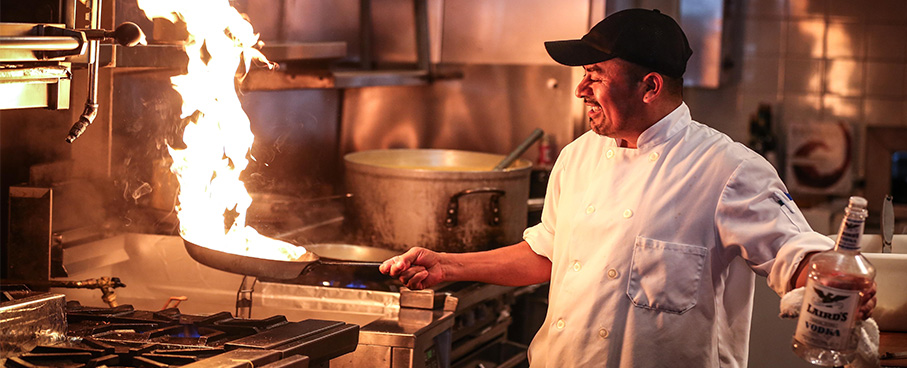
Whether it is food contamination or a liquor liability claim, restaurant owners understand that in Texas, attorneys are ready to take on a big case. Aside from a kitchen fire, liability claims can happen without warning and they can be severe. For example, suppose the food you serve was contaminated and several people fall ill. Without the proper coverage you may be stuck with thousands of dollars of claims for doctor bills.
Liquor Liability Insurance in Texas
If your restaurant sells alcohol, be sure to include liquor liability in your restaurant insurance policy. Because restaurant insurance policies are typically written on a endorsed ISO form, a restaurant insurance policy should be endorsed to add liquor liability coverage. Without liquor liability, any claims that arise out of the serving of alcohol will be excluded.
Getting a Restaurant Insurance Quote in Texas
Basic information is needed to obtain a price estimate the following information is needed. With restaurants, sales are the rating factor. The total sales must be divided into the food and alcohol sales and other such as cover charges. Send us a quote request above and someone will contact you with more information.
Restaurant Insurance FAQs
Here are the top five frequently asked questions (FAQs) regarding restaurant insurance:
A Business Owner's Policy typically combines property, liability, and business interruption coverages into a single package (Fenton & Gao). The property component protects the restaurant’s physical location, furniture, and equipment against damage from events like fire or storms, while the liability portion handles claims of bodily injury or property damage to third parties, such as customers slipping on a wet floor (Fenton & Gao). Business interruption coverage assists with lost income and operating expenses if the restaurant is temporarily shut down due to a covered peril (Fenton & Gao).
In most standard commercial property and business interruption policies, pandemic-related shutdowns are not covered. Courts, including the Sixth Circuit in rulings such as Santo’s Italian Café LLC v. Acuity Insurance Company, have determined that government-mandated closures and the suspension of in-person dining do not constitute "direct physical loss of or damage to property," which is required to trigger coverage (Cogan, 2016; Crowell, 2020; The Ohio State University, 2022).
Restaurants have a large workforce and carry high exposure to occupational hazards (Allen et al., 2015). Workers’ compensation insurance is designed to provide wage replacement and cover medical expenses for employees who suffer workplace-related injuries or illnesses while on the job (Fenton & Gao). It also provides liability protection for the business in the event of worker injury claims.
While standard property insurance covers damages caused by outside parties or disasters, it typically does not cover internal risks like employee theft or embezzlement (Fenton & Gao). Commercial crime insurance can cover losses arising from employee fraud, forgery, theft of cash or securities from inside the premises, and computer or funds transfer fraud, protecting the restaurant’s assets against internal threats (Fenton & Gao).
Yes, food safety liability insurance is an important type of coverage for restaurants that relates to the preparation, handling, and serving of food (Cogan, 2016). It protects the business against claims of bodily injury or illness caused by the consumption of their food products, such as foodborne illness outbreaks or contamination, helping to cover legal fees and settlement costs (Cogan, 2016).