In one sentence: The MCS-90 is a federal endorsement that guarantees the public gets paid after a covered trucking accident, even in some situations where your own policy would not pay you.
A Short Glossary Before the Details
MCS-90
An endorsement the FMCSA requires on liability policies for most for-hire interstate motor carriers. It attaches to your trucking liability policy rather than standing on its own.
The public
Other drivers, pedestrians, and property owners injured or damaged by your truck. They are the people this endorsement is written for.
Reimbursement
The insurer’s right to recover money from the carrier after paying a claim the policy itself did not cover.
What It Does Not Do
The MCS-90 does not repair your tractor, replace your cargo, or broaden your coverage. It also does not replace the separate intrastate filings Texas handles through TxDMV. Owner-operators working with AlphaSure Affordable Insurance Services in San Antonio, TX are often surprised to learn it offers them no direct benefit at all.
Where It Can Cost a Carrier Money
Suppose a claim arises involving a driver or unit the policy does not list. The MCS-90 may still require the insurer to pay the injured party up to federal minimum limits. The insurer can then turn to the carrier to be paid back. That is why keeping every truck and driver properly scheduled matters so much.
Three Habits That Keep This From Becoming a Problem
Report every new unit and hired driver before the first dispatch
Remove sold or parked trucks promptly so records stay accurate
Why ELD Data Matters During a Trucker’s Insurance Claim
Electronic Logging Devices are now a standard part of commercial trucking operations, but many drivers do not realize how closely ELD data is examined after an accident. When a claim is filed, insurers and investigators often request ELD records to confirm hours of service compliance, driving patterns, and vehicle usage at the time of the incident. For truckers operating in Texas, this data can either support a claim or raise red flags.
How ELD Compliance Impacts Liability Decisions
If ELD records show hours of service violations, insurers may argue that fatigue contributed to the loss. This can complicate liability determinations and, in severe cases, impact how coverage responds. Consistent ELD compliance demonstrates operational responsibility and helps establish that a driver was operating within federal guidelines when a loss occurred.
ELDs and Accident Investigations in Texas
Texas accident investigations often include a detailed review of electronic records. ELD timestamps can be cross‑checked with police reports, dash camera footage, and witness statements. Discrepancies between reported activity and ELD data may delay claim resolution or trigger deeper investigations. This is especially relevant for owner‑operators hauling freight across major corridors near San Antonio.
Supporting Coverage With Accurate Documentation
Accurate ELD records can strengthen a claim by providing clear documentation of compliance and driving behavior. When paired with proper coverage, such as trucking liability or cargo insurance, ELD data helps reduce disputes and supports faster outcomes. AlphaSure Affordable Insurance Services in San Antonio, TX works closely with truckers to ensure coverage aligns with real‑world operations.
Building a Strong Risk Profile With ELD Best Practices
Maintaining clean ELD logs, correcting errors promptly, and training drivers on compliance expectations are practical steps that help protect coverage. Truckers should also understand how different policies respond during on‑duty and off‑duty use. For more insight, visit our guide on trucking versus non‑trucking liability.
For truckers seeking guidance on coverage that fits modern compliance requirements, AlphaSure Affordable Insurance Services in San Antonio, TX provides experience‑driven support and personalized solutions. Learn more about our trucking insurance options by visiting our website.
Why DOT and FMCSA Status Changes Can Affect Trucking Liability Coverage
For trucking businesses based in San Antonio, TX, changes to DOT or FMCSA status are more than administrative updates. They can directly impact how trucking liability insurance responds in the event of an accident. AlphaSure Affordable Insurance Services works closely with owner-operators and fleets to help ensure liability coverage stays aligned when regulatory status changes occur.
New Authority and Reinstatement Create New Exposure
When a carrier receives new operating authority or reinstates an inactive DOT number, insurers often view the operation as higher risk until a new compliance history is established. Trucking liability coverage may need to be reviewed to confirm limits, filings, and endorsements match the carrier’s current authority. Overlooking this step can lead to filing issues or claim delays.
Operating Radius Changes Affect Liability Risk
Expanding from local routes to regional or interstate hauling changes the scope of exposure. Longer routes increase time on the road, traffic density, and accident severity potential. Trucking liability policies are structured around operating radius, and coverage should reflect how far and where vehicles are traveling after FMCSA updates.
Vehicle and Driver Updates Trigger Review Needs
DOT status changes often occur alongside fleet growth or driver additions. New power units, trailers, or drivers can affect liability exposure and compliance filings. If policies are not updated to reflect these operational changes, gaps can appear between what is reported to regulators and what is insured.
Compliance Filings Must Match Active Operations
FMCSA and state filings such as MCS-90 endorsements rely on accurate insurance information. If authority status changes but insurance filings are outdated, carriers may face compliance violations or complications during inspections. A trucking liability review ensures filings align with active operations.
Local Expertise Helps Keep Coverage in Sync
Trucking regulations change quickly, and insurance should keep pace. AlphaSure Affordable Insurance Services in San Antonio, TX helps trucking professionals review liability coverage after DOT or FMCSA status changes to reduce compliance risk and claim uncertainty. To learn more about aligning your trucking liability coverage with your operating authority, visit the AlphaSure Affordable Insurance Services website.
For trucking professionals operating out of hubs like Laredo, TX and San Antonio, TX, your truck is your livelihood—but the cargo inside is your reputation. While every carrier knows that primary trucking liability insurance is legally required, many new owner-operators under-appreciate the gap between liability and cargo coverage.
At AlphaSure Affordable Insurance Services, we’ve seen how one mechanical failure or a spike in the South Texas heat can jeopardize a small business. Here is why you need to go beyond the basics.
The Critical Difference: Liability vs. Cargo Insurance
It is a common misconception that standard trucking liability covers everything.
Trucking Liability Insurance: This is your “public” protection. It covers bodily injury and property damage you cause to others in an accident. It does not pay for the value of the goods sitting in your trailer.
Motor Truck Cargo Insurance: This specifically protects the for-hire trucker from liability for cargo that is lost or damaged due to causes such as fire, collision, or even theft. According to Progressive Commercial, cargo insurance is essential because it protects both the trucker and the owner of the goods, ensuring that an accident doesn’t result in a devastating out-of-pocket payout for destroyed inventory.
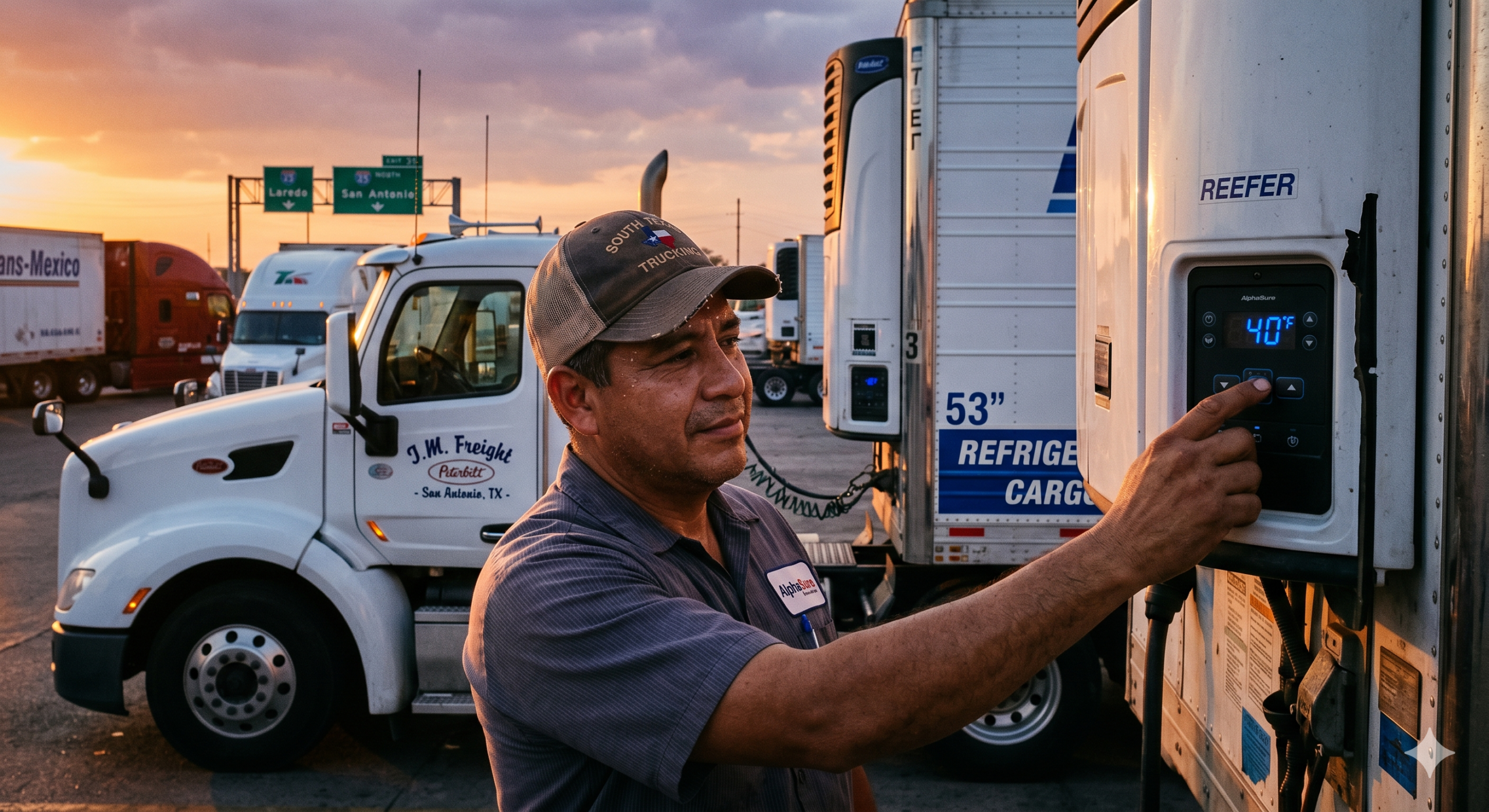
The South Texas Factor: Reefer Breakdown Coverage
If you are hauling temperature-sensitive goods from Laredo to San Antonio, TX in July, the heat is your biggest enemy.
Reefer Breakdown Insurance (often an endorsement on your cargo policy) is vital for anyone transporting perishables or pharmaceuticals. It covers the cost of spoiled goods if your refrigeration unit fails due to a mechanical or electrical breakdown.
In South Texas, where summer temperatures regularly exceed 100°F, a refrigeration malfunction isn’t just an inconvenience—it can result in a total loss.
Mechanical/Electrical Failure: Coverage applies if refrigeration parts like the compressor, fan, or control system malfunction, causing a rise in temperature that leads to cargo damage.
Cargo Plus Enhancement: Some carriers have enhanced coverage options. For example Progressive’s Cargo Plus, is an optional endorsement to reefer coverage that can expand protection to include perils like driver error (e.g., forgetting to set the temperature) or damage from wetness and rust.
Why Truckers in Laredo or San Antonio Needs Cargo Coverage with or without Reefer Coverage
Contractual Requirements: Most shippers and brokers in the San Antonio and Laredo regions will not even load your truck unless you show proof of cargo coverage at a pre-determined cargo limit, for example $100,000.
Financial Stability: One damaged load of refrigerated produce can cost over $50,000. Without refrigeration breakdown coverage, that’s a debt most owner operators can’t survive.
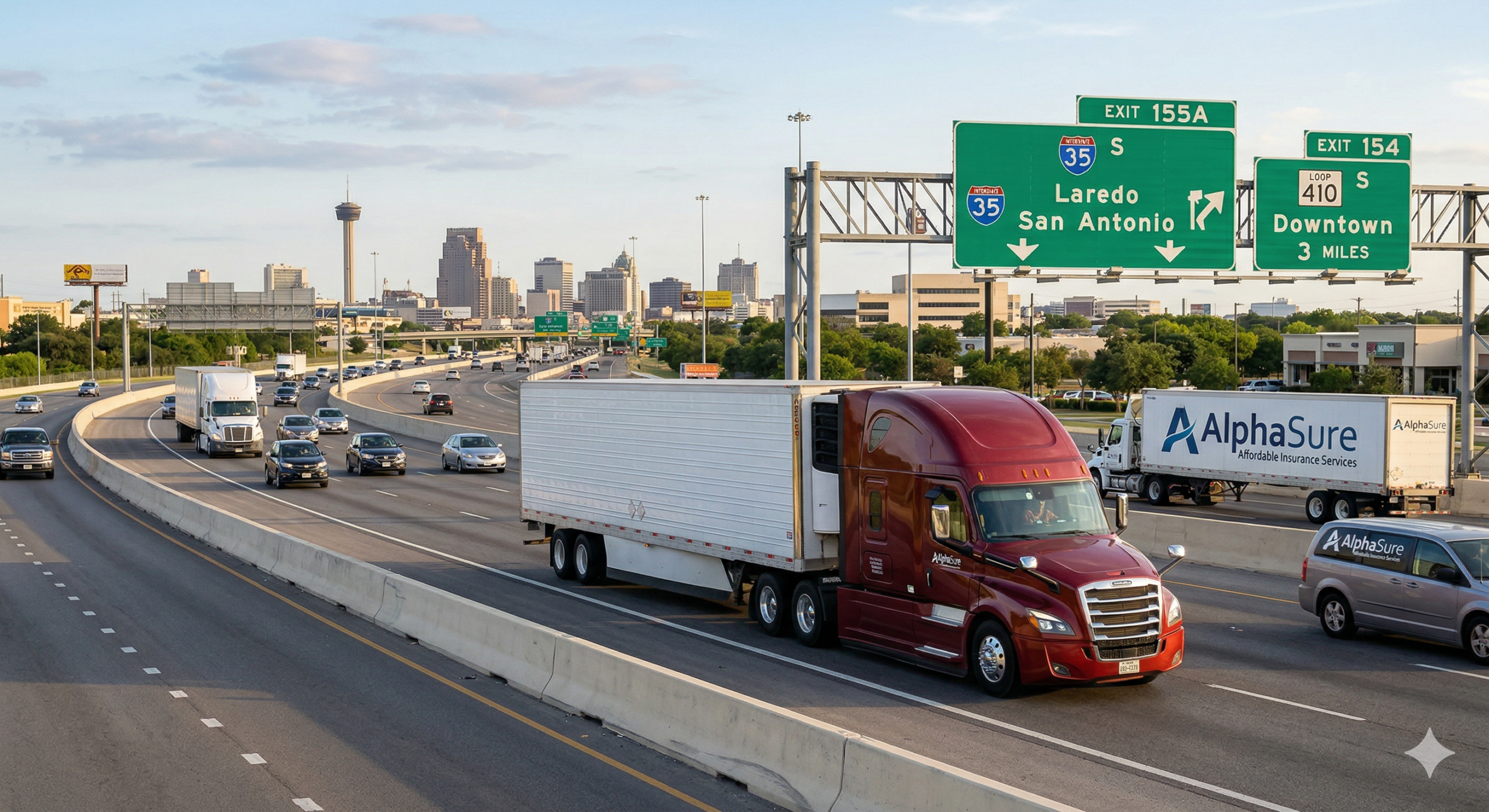
Debris Removal: If an accident causes your cargo to spill onto the I-35, cargo insurance can help cover the costs of removing that debris from the roadway.
Partner with an Independent Insurance Agency
As an independent insurance agency serving South Texas since 2003, AlphaSure Affordable Insurance Services will help you shop for cargo coverage. Whether you need high-limit cargo insurance for high-value electronics coming through Laredo or specialized reefer breakdown coverage for produce heading to San Antonio, we compare the best options from several top-rated carriers.
Running an eighteen wheeler is tough work, but finding trucker insurance should be easy. Whether you are hauling loads through San Antonio, TX or heading to the border in Laredo, TX, we make sure you stay protected.
At AlphaSure Affordable Insurance Services, we are an independent insurance agent. Essentially, this means we don’t work for just one big company. Instead, we shop around for you. As a result, we compare different prices to find the best deal for your trucking business.
Why Local Expertise Matters
First of all, we know the roads in South Texas and the challenges you face. Furthermore, we do all the research for you. Consequently, you save time and get a plan that actually fits your budget.
In summary, we handle the paperwork so you can keep your wheels turning.
FAQs: What Drives Your Trucker Insurance Premiums?
To begin with, understanding what affects your bottom line is the first step to saving money. Accordingly, here are the most common factors that cause premiums to shift:
What will increase my premiums?
Safety Records & CDL Violations: Frequent speeding tickets, accidents, or FMCSA violations are the fastest ways to see a rate hike.
Operating Radius: If you are hauling long-haul (over 500 miles) versus local or regional, your risk exposure increases, and so does your premium.
High-Value Cargo: Hauling hazardous materials, specialized machinery, or high-theft electronics requires specialized riders that increase costs.
New Authority: If you just received your DOT authority, you lack the “years-in-business” data that insurers use to justify lower rates.
Installing Telematics: Many carriers offer discounts for using ELDs and dashcams that track safe driving habits.
CDL Experience: Hiring drivers with 2+ years of clean experience can significantly lower your fleet’s liability costs.
Higher Deductibles: If you have the cash reserves to cover a higher out-of-pocket cost during a claim, you can lower your monthly premium.
Bundling Policies: Combining your Primary Liability with Physical Damage and Cargo insurance under one roof often triggers “multi-policy” discounts.
Get a Custom Quote Today
In conclusion, don’t settle for “standard” when your business is anything but. Whether you are an owner-operator in Laredoor managing a fleet in San Antonio, AlphaSure Affordable Insurance Services is here to help. Specifically, we help you navigate the complexities of trucker insurance.
Ready to save?Then contact us today to speak with a specialist who knows the Texas roads as well as you do.
Local Contact Information
AlphaSure Affordable Insurance ServicesServing San Antonio, Laredo, and all of South Texas.
Commercial trucking liability insurance is notoriously complex. For owner-operators leased onto a motor carrier, navigating the alphabet soup of coverage options can feel like driving through dense fog.
Two terms that cause the most confusion are Trucking Liability (often called Primary Liability) and Non-Trucking Liability (frequently referred to as Bobtail Coverage).
Understanding the difference isn’t just insurance jargon—it’s vital to ensuring you aren’t exposed to massive financial risks if an accident occurs. The main difference comes down to one simple question: Are you driving under dispatch, or are you off-duty?
Here is a breakdown of the differences between these essential forms of truckers insurance.
The Heavy Lifter: Primary Trucking Liability
Primary Trucking Liability is the core of commercial trucking insurance. It is the mandatory coverage required by the FMCSA (Federal Motor Carrier Safety Administration) for any rig hauling goods for hire.
This insurance covers injuries or damage to other people or property if you are at fault in an accident while you are working.
When does trucking liability apply?
Primary Trucking Liability is active whether you are “under dispatch” or not. Under dispatch includes:
Dispatched/Driving to pick up a load.
Actively hauling a load from point A to point B.
Driving empty (deadheading) on your way to a new load, under orders from your carrier.
If you are leased to a motor carrier, they typically provide trucking liability coverage for you while you are operating under their authority. The policy covering the motor carriers truckers liability will send the requested federal filings, proving to the government that the truck is legally insured to operate on public roads for commerce.
If an owner-operator trucker is not leased to a motor carrier, they can buy their own trucking liability policy. As the “named insured,” the policy covers the truck whether it’s on-dispatch or off-duty. Truck drivers must remain informed about the federal and state filings required to maintain compliance. It is essential to recognize that operating across multiple states or transporting specific types of cargo may impact the filing requirements necessary to adhere to FMCSA or state regulations.
Filling the Gap: Non-Trucking Liability (NTL)
Truck drivers don’t just drive for work. Sometimes you need to take your rig to get washed on a Saturday, drive it home for the weekend, or use it for personal transportation when you are completely off the clock.
If you are driving your truck for purely personal reasons and are not under dispatch, the motor carrier’s Primary Trucking Liability policy generally will not cover you.
This is where Non-Trucking Liability (NTL) steps in. NTL provides liability coverage for property damage or bodily injury you cause to others when you are using the truck for non-business, personal purposes.
When does Non-Trucking Liability apply?
NTL applies when you are “off-duty.” For example:
Driving the tractor home after dropping your last load and clocking out.
Using the truck to run personal errands on your day off.
Driving the truck to a mechanic for maintenance that isn’t immediately related to a current dispatch.
Clearing Up the Confusion: Bobtail Coverage vs. NTL
In the trucking industry, you will often hear Non-Trucking Liability referred to interchangeably as “bobtail coverage” or “bobtail liability.”
While they are often used to mean the same thing, there is a technical difference:
Bobtail Liability technically covers you when you are driving the tractor without a trailer attached, regardless of whether it’s for business or personal use (though many policies exclude business use).
Non-Trucking Liability covers personal use whether you have a trailer attached or not.
Because NTL is broader and offers better protection for personal use, most modern “bobtail” policies are actually Non-Trucking Liability policies. However, it is crucial to read the fine print of your specific bobtail coverage to ensure it covers personal use with a trailer attached.
The Crucial Note on Cargo Coverage
Finally, there is one vital distinction regarding the goods you haul.
Cargo coverage—insurance that protects the value of the freight you are hauling against theft, fire, or collision damage—can only be added to a Primary Trucking Liability policy.
You cannot add cargo coverage to a Non-Trucking Liability or bobtail policy.
This makes sense because if you are using NTL, you are by definition using the truck for personal reasons and shouldn’t be hauling commercial freight. If you are hauling cargo, you are working, and the Primary Liability (and its attached cargo policy) should be active.
Summary: Stay Covered on Every Mile
Whether you are an independent owner-operator or leased to a fleet, knowing which insurance policy is active at any given moment is critical.
On Dispatch (Business): You rely on Primary Trucking Liability (and associated federal filings).
Off-Duty (Personal): You rely on Non-Trucking Liability (or bobtail liability) and may require federal filing.
Don’t get caught in the gap between policies. If you have questions about your current coverage or need quotes on reliable truckers insurance, contact our agents today to ensure you are protected, mile after mile.
Contact AlphaSure Affordable Insurance Services for free trucking liability insurance quote. We have offices in Laredo and San Antonio, TX and have served the Great State of Texas since 2001.
3740 Colony Dr Suite 280 San Antonio, TX 78230 Office: (210) 888-1750 Email: service@stxinsure.com
201 W Del Mar Blvd Suite 20 Laredo, TX 78041 Office: (956) 729-9500
Learn more about trucking liability insurance filing requirements on the FMCSA website.
If you need a personal auto insurance quote, you can go online or call us.