Why DOT and FMCSA Status Changes Can Affect Trucking Liability Coverage
For trucking businesses based in San Antonio, TX, changes to DOT or FMCSA status are more than administrative updates. They can directly impact how trucking liability insurance responds in the event of an accident. AlphaSure Affordable Insurance Services works closely with owner-operators and fleets to help ensure liability coverage stays aligned when regulatory status changes occur.
New Authority and Reinstatement Create New Exposure
When a carrier receives new operating authority or reinstates an inactive DOT number, insurers often view the operation as higher risk until a new compliance history is established. Trucking liability coverage may need to be reviewed to confirm limits, filings, and endorsements match the carrier’s current authority. Overlooking this step can lead to filing issues or claim delays.
Operating Radius Changes Affect Liability Risk
Expanding from local routes to regional or interstate hauling changes the scope of exposure. Longer routes increase time on the road, traffic density, and accident severity potential. Trucking liability policies are structured around operating radius, and coverage should reflect how far and where vehicles are traveling after FMCSA updates.
Vehicle and Driver Updates Trigger Review Needs
DOT status changes often occur alongside fleet growth or driver additions. New power units, trailers, or drivers can affect liability exposure and compliance filings. If policies are not updated to reflect these operational changes, gaps can appear between what is reported to regulators and what is insured.
Compliance Filings Must Match Active Operations
FMCSA and state filings such as MCS-90 endorsements rely on accurate insurance information. If authority status changes but insurance filings are outdated, carriers may face compliance violations or complications during inspections. A trucking liability review ensures filings align with active operations.
Local Expertise Helps Keep Coverage in Sync
Trucking regulations change quickly, and insurance should keep pace. AlphaSure Affordable Insurance Services in San Antonio, TX helps trucking professionals review liability coverage after DOT or FMCSA status changes to reduce compliance risk and claim uncertainty. To learn more about aligning your trucking liability coverage with your operating authority, visit the AlphaSure Affordable Insurance Services website.
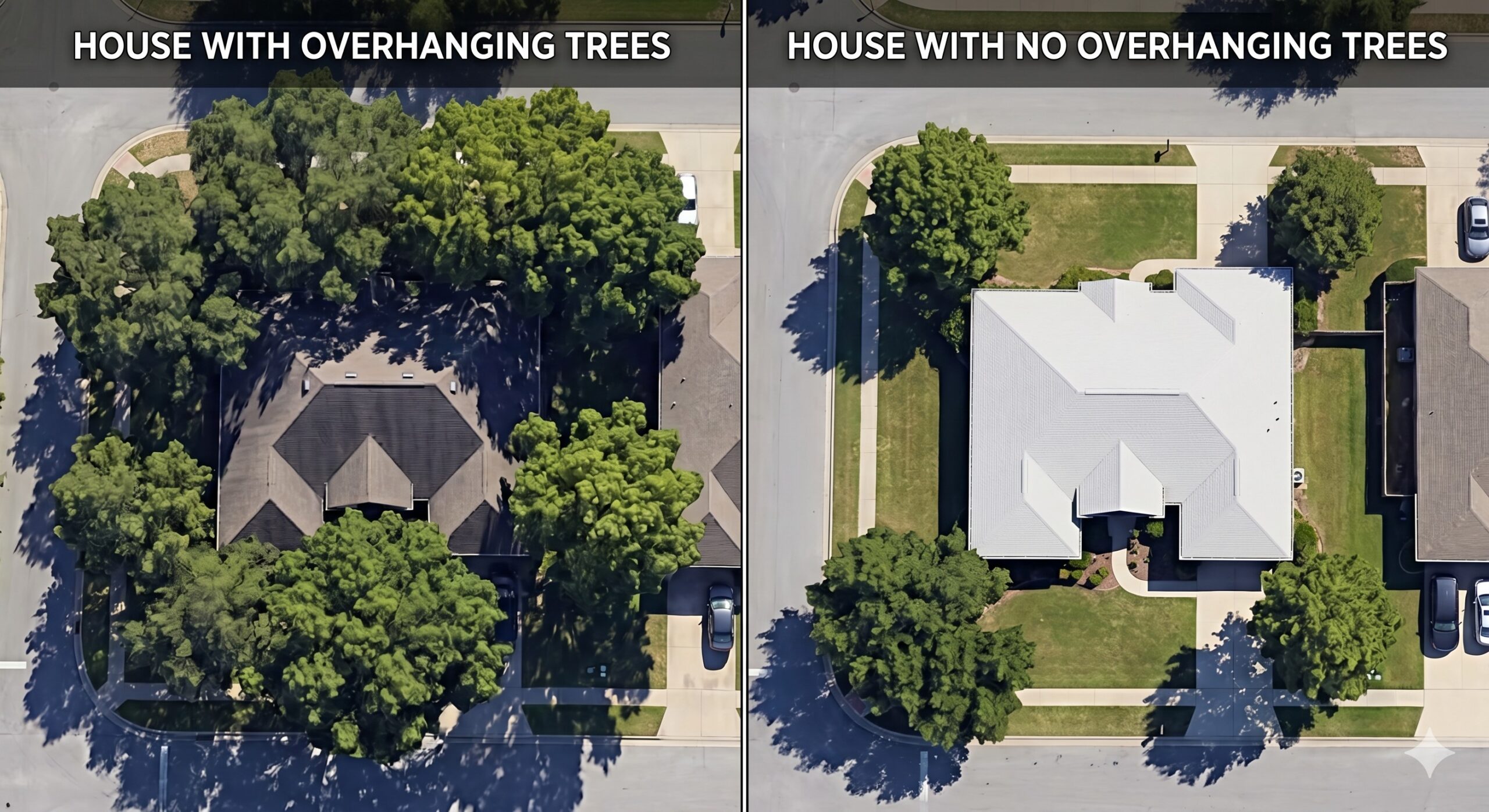
Have you looked out at your yard lately? If you see large tree branches hanging over your roofline, it might be time to hire a tree trimmer. In Texas, keeping your trees neat is not just about curb appeal, it also plays a huge role in your home insurance eligibility and possibly, your wallet.
Trimming tree branches away from your roofline drastically improves your home insurance eligibility. In fact, it might even help you find a lower priced home policy.
Texas Home Insurance Companies Care About Your Trees
Texas weather is highly unpredictable. From intense windstorms and heavy hail to hurricanes, our homes take a beating every year. Thus, when severe weather hits, overgrown branches become major hazards.
First, strong winds can snap heavy limbs, sending them crashing directly into your roof. This causes severe structural destruction and expensive leaks. Second, constant rubbing from nearby branches can scrape away the protective granules on your roof shingles over time. This mechanical friction weakens your roof long before a storm even arrives. Finally, overhanging branches drop leaves and twigs that clog your gutters, leading to rot and water damage.
The Eye in the Sky: How Home Insurance Companies Spot Overgrown Trees
You might think an insurance company will only notice your trees if you file a claim, but that is no longer the case. Today, technology allows providers to view your property from above.
Many insurance companies now use high-resolution satellite images and aerial photography via drones to review your roof layout. Sometimes, they use these images to check the condition of your home before they even agree to cover your home. Thus, the number of home insurance quotes that are available becomes limited. As a result, you may not be getting the best priced policy.
Furthermore, carriers rely heavily on a post-bind inspection. This is a formal property review that happens right after your policy starts and sometimes before the next renewal. Between the overhead satellite data and the detailed post-bind inspection reports, insurers will easily spot any branches hovering too close to your house. If they flag your property as a high risk, they can choose cancel your policy during the initial underwriting period or non-renew your policy at expiration.
The Impact on Home Insurance Eligibility and Rates
Can trimming your trees really save you money? Yes, it absolutely can.
Better Eligibility: Many insurance companies in Texas will deny coverage or refuse to renew a policy if their satellite data shows overhanging branches. Trimming your trees keeps your home eligible for coverage in a tough market.
Lower Premiums: Many insurance providers offer better home insurance rates for homes with a roof in good condition and no overhanging trees.
Avoiding Claims: The cheapest claim is the one you never have to file. Keeping branches clear prevents costly claims, which helps keep your long-term insurance history clean.
How Much Should You Trim?
As a general rule, you should hire a reputable tree trimmer. Keep all tree branches at least 10 feet away from your roofline. This distance creates a buffer zone. It prevents branches from hitting your house during high winds and keeps pests like squirrels and rats from climbing onto your roof.
Let a Local Home Insurance Expert Help You Save
You do not have to shop for coverage completely alone. Reach out to a local independent insurance agent like AlphaSure Affordable Insurance Services. An independent agent can look at multiple home insurance companies at the same time. Thus, they will save you time and help find you the best rates for both your home and car insurance. Call AlphaSure Affordable Insurance Services today to start shopping for car or home insurance tailored perfectly to your budget. You can also go online for free home insurance quote to start the shopping process.
When you buy auto insurance in Texas, you might naturally focus on protecting your own vehicle. It makes perfect sense to worry about a dented bumper or a totaled car. However, many drivers make a major mistake during this process. They choose the lowest possible liability limits just to save a few dollars on their monthly premium bill.
Understanding Liability Coverage in Auto Insurance
What exactly is liability coverage? This crucial part of your auto insurance policy pays for property damage and bodily injuries you cause to other people in an accident. Currently, Texas law requires minimum limits of 30/60/25. This means that if you are at fault in an accident, your policy pays up to $30,000 for an injured person, $60,000 total for all injuries in one wreck, but not one person gets more than $30,000, and $25,000 for property damage.
These numbers might sound large at first, but medical care and new vehicles cost a fortune today. Consequently, if you cause a serious crash, you can easily blast past these minimum state requirements. For instance, if you total someone’s new $60,000 SUV, your minimum policy only covers $25,000. Therefore, you must pay the remaining $35,000 completely out of your own pocket.
The Real Danger Behind Having Low Liability Limits on an Auto Insurance Policy: Lawsuits and Legal Fees
Even worse, the other driver might decide to sue you for the remaining balance. A massive lawsuit brings expensive lawyers, courtroom costs, and endless stress. Ultimately, paying for a major legal battle is far worse than losing a cheap $2,500 car. If you lose the case, those mounting legal bills can drain your personal savings, spark wage garnishment, or force you to sell your assets.
Low liability limits put your entire financial future at risk simply to save a tiny bit of money today. Fortunately, increasing your coverage limits gives you peace of mind and shields your hard-earned money from sudden disasters.
Protect Yourself with a Local Car Insurance Expert
Do not navigate these complex choices alone. Call a local independent insurance agent like AlphaSure Affordable Insurance Services today. Independent agents compare multiple companies to find the best rates for your car or home insurance. They will ensure you get the protection you actually need at a price you can easily afford.
Imagine this scenario: You just filed a collision claim on your car insurance after a fender bender in downtown San Antonio. Your vehicle needs a week of bodywork, so you head to a local San Antonio rental car agency to pick up a temporary ride. You have a road trip planned down Interstate 35 to Laredo, but you stop and wonder: How does my Texas car insurance policy handle this rental?
Understanding how your policy moves with you is the best way to avoid surprise costs. Let’s break down how rental reimbursement works, whether it pays for physical damage, and if your coverage will follow you down to Laredo.
What is Rental Reimbursement Coverage in a Car Insurance Policy?
Rental reimbursement is an optional coverage add-on to your Texas auto insurance policy. You must buy this coverage before an accident occurs to use it. If your personal car is damaged in a covered collision or comprehensive claim, this feature pays for cost of a temporary rental car while your vehicle is in the shop. It will pay up to the limits shown your policy declarations page.
Texas policies typically structure this benefit with a daily limit and a maximum total limit per accident. For example, your plan might cover up to $40 per day for a maximum of 30 days. The insurance company pays the rental agency directly, or they reimburse you after you submit your receipts.
However, you must remember one key detail: This coverage only pays the rental agency’s daily fee, taxes, and basic administrative costs. It does not pay for gasoline, security deposits, nor any damage you may cause to the rental.
Will Rental Reimbursement Cover Damages to the Rental Car?
No, rental reimbursement coverage will not pay for physical damage to the rental car. Rental reimbursement only pays the cost to rent the vehicle up the policy limits shown on the car insurance policy declarations.
If you scrape a pole or get into a second accident while driving the rental vehicle, rental reimbursement will not help. Instead, your primary auto policy may step in to cover those physical losses. Refer to your policy or talk to a licensed agent about this.
Will Your Car Insurance Follow You to Laredo?
First off, it is very important to read your policy or talk to your agent. In general, your auto insurance coverage may follow you. When you pick up your temporary vehicle in San Antonio and drive south to Laredo, your liability coverage to others will cover the damages you cause to another party. Some policies, but not all, will extend physical damage coverage, comprehensive and collision to rental car minus the deductible.
For some car insurance policies, this information may not apply.
Nevertheless, here is how your primary car insurance policy may apply to that rental car:
Liability Coverage: If you cause an accident on the way to Laredo, the liability insurance portion of your auto policy will pay for the damage to the other driver’s car and any medical bills they incur.
Collision Coverage: If you hit a guardrail or another vehicle, your collision coverage pays for the physical damage to the rental car, minus your deductible. Once again, read your policy carefully. Some non-standard policies may not cover rental cars at all.
Comprehensive Coverage: If a sudden hailstorm damages the rental car while parked in Laredo, your comprehensive coverage will pay for the repairs, minus your deductible.
Watch Out for Rental Agency Fees
Your personal insurance policy may cover the physical damage of the rental, but rental car agencies often charge extra hidden fees after an accident. The two most common are “loss of use” fees and “diminution of value” fees.
Loss of use fees are assessed by the rental car company to cover the money the rental agency loses while their car is in the shop and cannot be rented to someone else. Diminution of value fee is assessed to cover the drop in the vehicle’s resale market value because it now has an accident history.
Standard Texas auto policies frequently do not pay for these rental car agency administrative fees. Because these fees are typically not covered by a car insurance policy, it is highly recommended to purchase a damage waiver directly from the rental car agency.
Let AlphaSure Affordable Insurance Services Find the Right Policy for You
Navigating the details of rental reimbursement coverage does not have to be complicated. When you are shopping for your next auto insurance policy, partnering with an independent insurance agency like AlphaSure Affordable Insurance Services gives you the advantage. Because we are independent, we work with multiple top-rated insurance carriers to find you the best coverage and rates for your specific needs. Whether you want to ensure your coverage follows you on your next road trip or you just need to update your existing policy, our local team is here to help. You can easily go online to request a quick quote, give us a call, or stop by to visit us in person at either of our convenient office locations in San Antonio or Laredo, Texas.
For most families living in Texas, a home is more than just a shelter; it is often the single largest financial investment they will ever make. Consequently, understanding the importance of having home insurance is critical for long-term financial stability. While no one expects a disaster, being prepared ensures that a single event doesn’t lead to a total loss of your hard-earned assets.
Homeowners insurance is a contract between you and an insurance provider that provides financial protection against disasters. A standard policy typically covers both damage to the property itself and your legal responsibility for any injuries or property damage you or your family members cause to others.
What Does Home Insurance Cover?
When evaluating policies, many homeowners ask, “What does home insurance cover exactly?” While every policy is unique, most standard homeowners insurance policies include four essential types of coverage:
Dwelling Coverage: This pays to repair or rebuild your home if it is damaged by a covered peril such as fire, windstorm, hail, or lightning.
Personal Property: Your furniture, clothes, electronics, and other personal items are covered if they are stolen or destroyed by a covered disaster.
Liability Protection: This covers you against lawsuits for bodily injury or property damage that family members or pets cause to other people.
Additional Living Expenses (ALE): If your home is uninhabitable after a fire or other insured disaster, ALE pays the additional costs of living away from home, such as hotel bills and meals.
However, it is important to note that standard policies in Texas usually do not cover damage caused by floods. Because the weather in South Texas can be unpredictable, discussing these gaps with an independent insurance agent is a vital step in your shopping process.
Why Work with an Independent Insurance Agent?
Choosing the right coverage can be overwhelming. Furthermore, rates can vary significantly between carriers. This is where the value of an independent insurance agentbecomes clear. Unlike “captive” agents who work for a single company, an independent agent works for you.
At AlphaSure Affordable Insurance Services, we serve as your starting point in the shopping process. We compare multiple top-rated carriers to find the coverage that fits your specific needs in both San Antonio and Laredo.
Are you buying a new or used car in Texas? Many buyers only look at the dealership sticker price. However, you must look at the total cost of ownership. Your car insurance premium makes up a massive part of this total cost. If you ignore insurance rates, you might end up with a monthly bill you simply cannot afford.
Therefore, researching coverage costs is vital. When you insure a vehicle, the insurance company evaluates its make, model, and year. Furthermore, they look at repair costs, theft rates, and safety ratings.
Let us dive into which vehicles from 2006 to 2025 cost the most and least to cover in the Lone Star State.
The Least Expensive Vehicles to for Car Insurance (2006–2025)
Generally, family-friendly vehicles and small SUVs cost the least to protect. Why? Because drivers usually operate them safely. In addition, they feature excellent safety equipment and use cheap replacement parts.
Here are the cheapest types and models to insure:
Small and Midsize SUVs: The Honda CR-V, Subaru Outback, and Ford Escape consistently offer great rates. These cars protect passengers well in crashes.
Minivans: The Honda Odyssey and Chrysler Pacifica rank as some of the cheapest vehicles to insure. Families drive them carefully, which leads to fewer accidents.
Rugged Off-Roaders: The Jeep Wrangler is historically cheap to cover. Mechanics can easily find and replace its parts.
New vs. Used: Older models, like a 2010 Honda CR-V, will cost much less to insure than a brand-new 2025 model. Older cars typically do not have modern aged technical components, like sensors. Consequently, this lowers the to repair a small fender bender.
The Most Expensive Vehicles for Car Insurance (2006–2025)
On the flip side, luxury cars, sports cars, and high-end electric vehicles will drain your wallet. These vehicles cost a fortune to repair.
Luxury Sports Cars: The Maserati Quattroporte, Porsche 911, and Audi R8 top the charts every year. They require expensive, imported parts and specialized labor.
High-Performance Muscle Cars: The Dodge Charger SRT Hellcat and Ford Mustang Shelby are very costly. Insurance companies know that drivers push these fast cars to their limits, which causes more severe wrecks.
Premium Electric Vehicles (EVs): High-end EVs, like the Tesla Model S and Porsche Taycan, carry massive insurance tags. They feature expensive battery packs and complex computers. Furthermore, mechanics need special training to fix them.
Why Texas Drivers Pay More for Car Insurance
Texas drivers face unique challenges on the road. We deal with destructive hail storms, busy highways in cities like San Antonio and Laredo, and a high number of uninsured drivers. Because of these local risks, finding a car in a low insurance bracket is even more critical here than in other states.
Conclusion
Before you sign any paperwork at the dealership, call an independent insurance agent like AlphaSure Affordable Insurance Services for free car insurance quote. Give them the Vehicle Identification Number (VIN) of the specific car you want. Getting a quote first ensures your dream car does not become a financial nightmare.
Have you ever lent your car keys to a friend so they could run a quick errand? Or maybe you have a relative visiting from out of town who needs to use your truck. When someone else gets behind your wheel, you might wonder: will my car insurance cover me if they crash?
To answer this question simply, car insurance in Texas generally follows the vehicle rather than the driver. Consequently, this rule introduces an important concept known as permissive use coverage. Let’s break down exactly what this means, when it applies, and how it impacts the people living under your roof.
What Is Permissive Use Coverage in Car Insurance?
First of all, permissive use coverage is a standard feature in most Texas auto policies. Specifically, it extends your car insurance protection to someone who drives your vehicle with your explicit or implied permission. Because Texas insurance follows the car, your policy acts as the primary insurance if that driver gets into an accident.
As a result, your insurance company will help pay for damages and injuries up to your policy limits, just as if you were driving. Furthermore, the borrower’s personal auto insurance, if they have it, usually acts as secondary coverage. Therefore, their insurance will only handle extra costs if your limits completely run out.
When Does It Kick In?
In order for this protection to apply, permissive use coverage kicks in only when two specific conditions are met:
You gave clear permission: First, the driver must have your consent to use the vehicle. This can be verbal, written, or implied by actions, such as handing over the keys.
The use is occasional: Second, this coverage is strictly meant for rare or short-term situations. For example, a neighbor borrowing your truck to haul furniture or a friend driving you home when you feel unwell.
Do Household Members Benefit From This?
Surprisingly, the answer is generally no. Household members usually do not benefit from permissive use coverage. It is an insurance company policy guideline that all household members must be listed and rated on your policy. If you fail to disclose or hide household members the car insurance application is fraudulent and coverage may be denied.
The reason for this is that insurance companies view permission differently when it comes to the people you live with. Because household members have constant access to your keys, insurers do not consider their driving to be “occasional.” Instead, insurance companies assume that anyone living in your home will drive your car regularly. For this reason, permissive use is typically reserved for people who live outside your household and do not keep your car at their place.
Do You Need to List Household Members on Your Car Insurance Policy?
Because of these rules, you must list all licensed household members on your car insurance policy.
Indeed, when you apply for or renew auto insurance in Texas, the company will ask you to disclose every licensed driver living at your address. This includes your spouse, your driving-age children, roommates, and extended family members. Subsequently, the insurance company uses this information to calculate your premium based on the total risk of everyone who has access to the vehicle.
However, if a household member has a terrible driving record and is driving your rates too high, you have an alternative option in Texas. You can sign a named driver exclusion. This form officially states that the specific person will not be covered if that person drives your car, with or without your permission. While it keeps your rates lower, it entirely removes them from your insurance plan.
What Happens If You Don’t List Household Members?
Ultimately, failing to list licensed household members can lead to severe financial consequences. If an unlisted household member drives your car and gets into an accident, your insurance company may take the following actions:
Deny the claim: First, the insurer can refuse to pay for any vehicle damage or medical bills. They will argue that you hid a regular driver, which violates your policy contract.
Cancel your policy: In addition, the company may cancel your insurance entirely due to material misrepresentation, which is a form of application fraud.
Leave you personally liable: Finally, if the claim is denied, you and the driver could be sued personally for all injuries and property damage caused by the accident.
In conclusion, to protect your finances and your family, always keep your insurance company informed. By adding every licensed resident to your policy, you can hit the Texas roads with total peace of mind.
Another Exception: Named Driver Car Insurance Policies
When exploring this topic, you might wonder about cheaper policy types, such as “named driver” policies. Historically, a named driver policy provided auto coverage only to the specific individuals listed as rated drivers on the policy declarations page. Consequently, these rigid plans do not cover permissive use at all. If an unlisted household member or friend drove the car—even with your explicit permission—any accident claim would be instantly denied.
Because these policies left so many drivers unprotected, the state took strict action. Specifically, Texas passed House Bill 259, which officially banned insurance companies from issuing or renewing named driver policies. As a result, standard policies are now the norm, ensuring better baseline protection for Texas drivers. Check your policy and ask your agent if you have a named driver policy.
Call an Independent Insurance Agent for Guidance
An independent insurance agent, like AlphaSure Affordable Insurance Services, can not only shop around for the best car insurance deal for you, but also guide you in learning more about coverage gaps as it relates to household members or vehicle usage. Be sure to be completely honest with your agent so that he can guide you in the right direction.
Call today for a quote or visit us at our one of our local offices or go online.
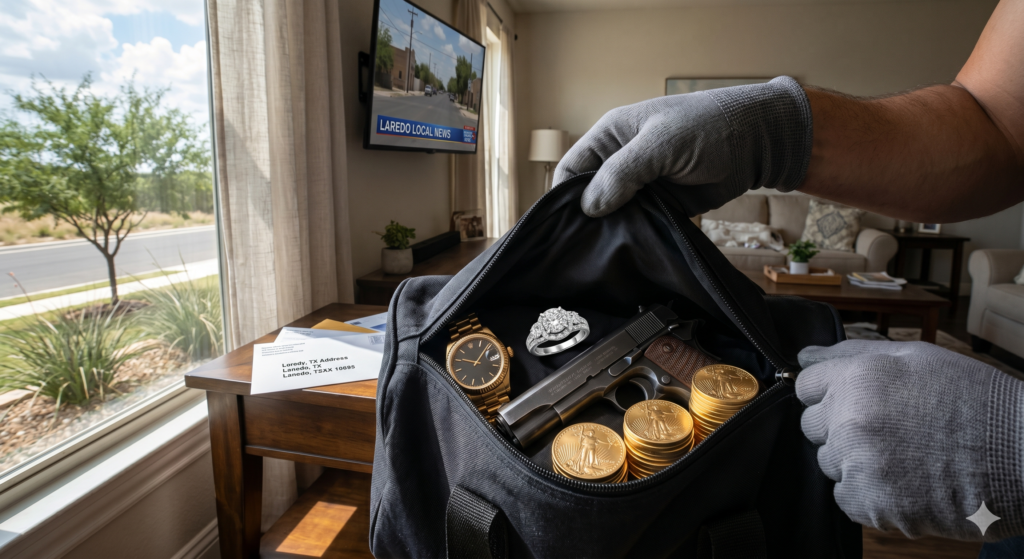
Are you sure your home insurance covers your finest Texas gear? Most homeowners think their policy protects everything inside their house. If a thief breaks in, you expect a check to replace your stolen items. However, many Texans do not know about insurance sublimits. Specific high-value items are not covered the same as, for example, furniture.
What Are Home Insurance Sublimits?
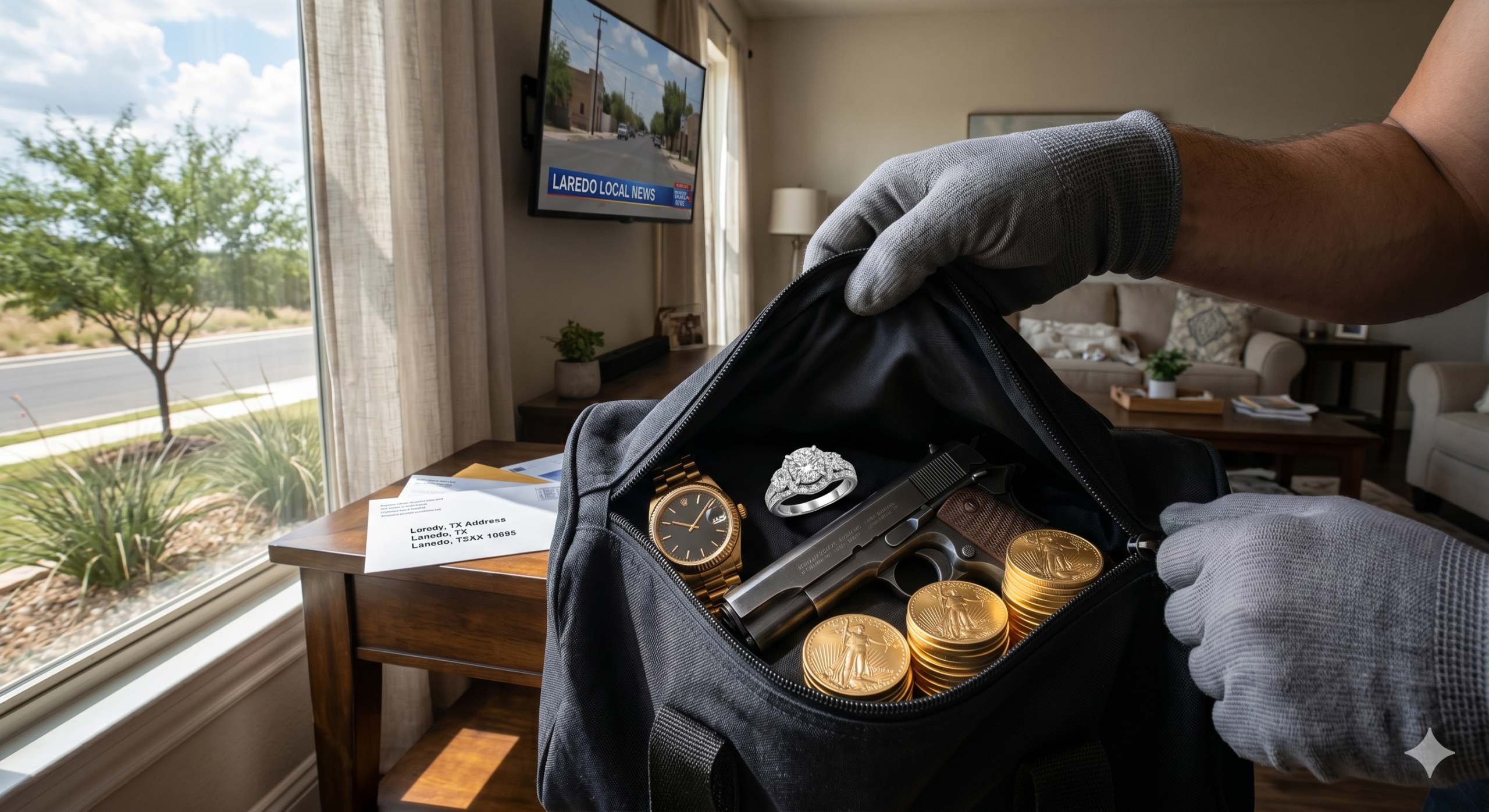
Your policy has a main limit for personal property. This coverage limit is a percentage of the dwelling limit, usually starts at 40%. However, certain items are covered at a much smaller sublimit. Insurance companies use sublimits to lower their risk on items that thieves steal most often, such as jewelry. If a thief steals your favorite Rolex, a standard home insurance policy might only pay a fraction of its true value.
Four Categories with Low Policy Limits on a Home Insurance Policy
1. Jewelry and Watches Texans love their fine jewelry and bright watches. Sadly, depending on the home insurance policy form, home insurance policies cap the losses by the peril of theft. The sublimit for jewelry to losses by the peril of theft starts at $500!
2. Firearms Guns are a big part of Texas life and outdoor sports. Yet, most standard policies limit firearm theft coverage to twenty-five hundred dollars. Thus, this small amount barely covers a couple of high-quality rifles or shotguns.
3. Gold, Silver, and Platinum Do you keep precious metals in a home safe? Standard home insurance offers very low protection for precious metals. Most policies cap the losses for precious metals.
4. Fine Arts and Antiques If a thief steals multiple luxury items at once, your payout will be way below the actual value of these high value items. Thus, it is important to properly insure your fine arts and antiques.
How to Protect Your Valuables the Right Way
You do not have to leave your prized items at risk. Instead, you can protect your valuables with two easy choices:
Scheduled Personal Property: This adds a specific item to your policy based on its real value. It provides full coverage with no deductible.
Insurance Riders: You can buy a policy add-on to raise the sublimit for an entire group, like all your firearms.
Review your home insurance policy today with a local independent insurance agent from AlphaSure Affordable Insurance Services.
As your children grow up and move out, your role as a parent changes, but your desire to protect them remains the same. If your teen is currently living away from home with roommates and does not own a vehicle, you might think you can safely remove them from your auto insurance policy. However, Texas insurance rules can be tricky. Failing to understand how household residents affect your coverage could leave you or your child vulnerable to massive financial risks.
Before you make any changes to your policy, you must know how Texas law and insurance companies view your teen’s new living situation.
Auto Insurance -The Resident Relative Rule in Texas
In the Lone Star State, standard auto insurance policies typically require you to list all licensed drivers living in your household. Insurance providers calculate your premiums based on the risk of everyone who has regular access to your vehicles.
When your teen moves out to live with roommates, their status depends heavily on whether the move is temporary or permanent. If your teen is away at college in Laredo or San Antonio but returns home during breaks, insurance companies usually still consider your primary residence as their permanent home. In this scenario, you must keep them on your policy. Ask your auto insurance agent about a discount for teens away from home without a car.
The Risk of Roommates and Borrowed Cars
What if your teen is completely independent, lives with roommates, and doesn’t have a car? You might assume they do not need auto insurance at all. However, living with roommates introduces a unique risk: shared access to vehicles.
If your teen occasionally borrows a roommate’s car to run an errand, permissive use coverage might apply. Permissive use means the vehicle owner’s insurance covers an occasional driver in an accident. Unfortunately, insurance companies strictly define “occasional.” If your teen drives a roommate’s car regularly, the roommate’s insurance company may deny a claim after an accident because your teen is an unlisted household resident. Worse yet, if the household resident is not disclosed to the roommate’s auto policy, a claim may be denied. Talk to your agent about this possible gap in coverage.
If your teen causes an accident while driving an uninsured or underinsured vehicle, they could face personal lawsuits. Although it won’t protect the physical damage to the roommate’s car, keeping your teen on your policy or securing a non-owner car insurance policy ensures they always carry liability protection, no matter whose car they drive.
Should You Keep Your Teen Listed on your Auto Insurance Policy?
Maintaining continuous car insurance history is incredibly valuable for young drivers. This is because the continuous prior insurance discount is one of the biggest discounts available for auto insurance policies. If you remove your teen from your policy now, they will show a gap in coverage when they eventually buy a vehicle and their own policy. Thus, your teen will not qualify for the prior insurance discount.
Additionally, keeping your teen on your auto insurance policy protects them as a passenger or a pedestrian. If a reckless driver hits your teen while they are walking across a street in downtown San Antonio, your policy’s Medical Payments or Personal Injury Protection (PIP) can help cover their medical bills.
Consult a Local Independent Auto Insurance Agent
Because every family and living situation is unique, you should not guess when it comes to your insurance coverage. Working with a local independent insurance agent allows you to explore multiple insurance carriers to find the best rates.
An independent agency like AlphaSure Affordable Insurance Services can evaluate your current policy and provide advice regarding your teen’s specific living arrangements. Whether your child is studying hard at a Texas A&M International University in Laredo or starting their first job with roommates, a local agent will help guide you when shopping for auto insurance.
Do you want to make sure your family has the right coverage? Contact AlphaSure Affordable Insurance Services today to speak with a professional and receive a personalized car insurance quote.
Call the Laredo, TX office at (956) 729-9500 or visit us at our local office.
Call the San Antonio, TX office at (210) 888-1750 or visit us at our local office.
AlphaSure Affordable Insurance Services is licensed to sell and service insurance policies in the Great State of Texas.
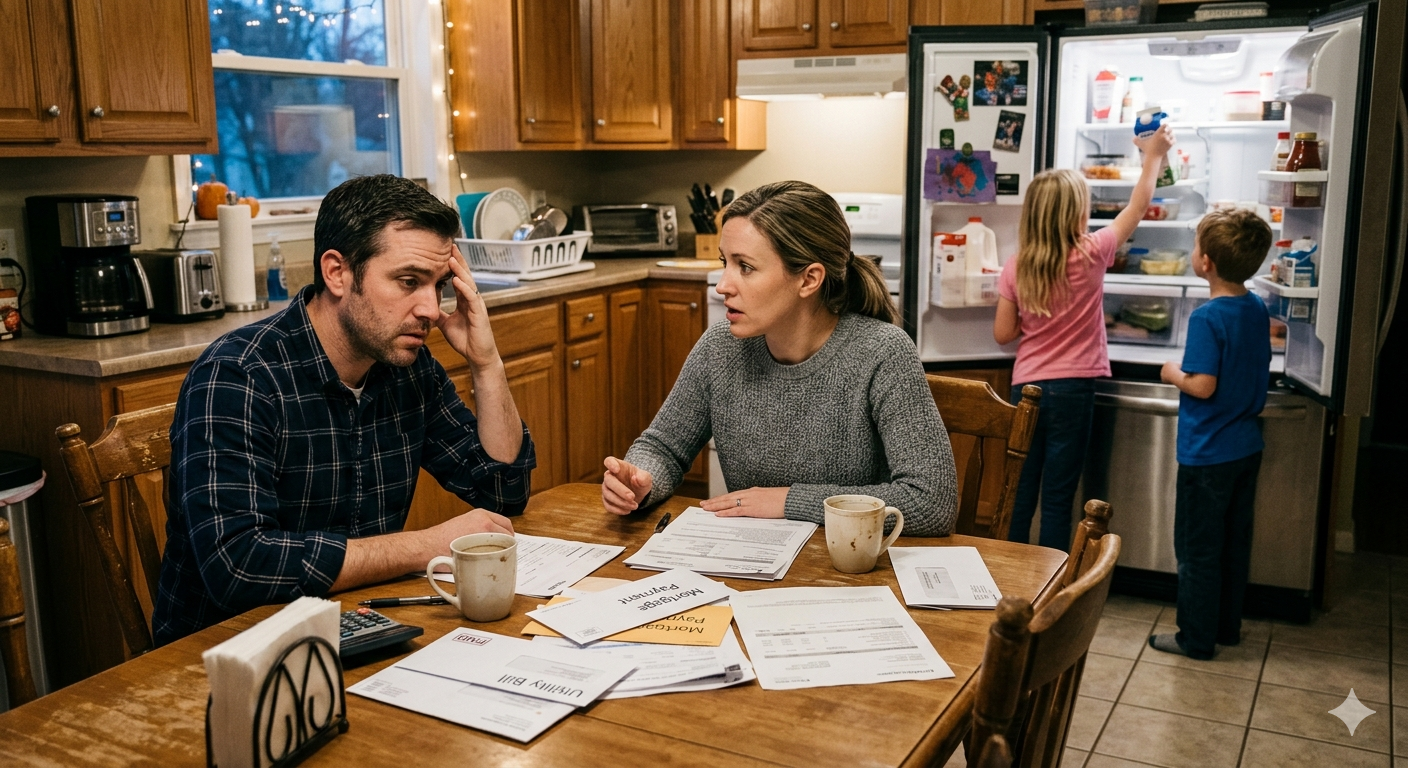
Why Car Insurance Rates Are Up: The Hidden Inflation Factors
If you have been shopping for car insurance recently, you have likely experienced sticker shock. Since 2020, national motor vehicle insurance rates have risen by approximately 53.7%, vastly outpacing general economic inflation.
While it is easy to assume that higher costs are just random rate hikes, the reality is a complex mix of economic pressures.
Here are the four primary factors inflating your car insurance premiums today.
1. Car Insurance, Economic Inflation and the Price of Oil
It is a common misconception that high gas prices reduce driving enough to significantly lower auto insurance rates. Instead, the real impact of the oil and gas industry on your car insurance is found in the supply chain.
Modern vehicle components—such as bumper covers and headlight housings—are predominantly manufactured using plastics derived from crude oil. When global energy markets experience volatility and oil prices spike, the cost of raw plastic resins increases rapidly. These inflated material costs are passed down to local auto body shops, meaning that car insurance companies must pay out larger settlements for basic physical damage and collision claims.
2. Advanced Technology and the Cost of “Fender Benders”
Cars are safer than ever, but that safety comes with a steep price tag. Many of today’s vehicles are equipped with Advanced Driver Assistance Systems (ADAS), which include blind-spot monitors, backup cameras, and automatic emergency braking.
Historically, a minor fender bender resulted in a cheap, cosmetic bumper replacement. Today, a minor low-speed collision can destroy sensitive, highly calibrated electronic sensors. Research from the American Automobile Association (AAA) shows that the presence of ADAS components can add up to 37.6% to the total repair cost following a crash. The average cost to replace ADAS components in a minor front-end collision is now $1,540, permanently raising the baseline severity of claims.
3. Extreme Weather and Natural Disasters
Your vehicle doesn’t even have to be moving to suffer a total loss. Catastrophic weather events have increasingly disrupted the property and casualty insurance markets, and auto insurance is feeling the impact.
Natural disasters generate massive volumes of unusually expensive claims all at once. For example, hurricanes in Florida in 2024 resulted in over 100,000 auto insurance claims, while severe midwestern hailstorms account for roughly 12% of all comprehensive car insurance claims nationwide. As insurers pay out billions for these localized weather events, global reinsurance costs rise, and the financial ripple effect is felt in premiums across the country.
4. Social Inflation and Legal System Abuse
While the cost of plastic parts and microchips is driven by economic inflation, the liability portion of your premium is heavily impacted by “social inflation”. This term refers to the rising costs of insurance claims driven by societal trends, third-party litigation funding, and aggressive “billboard attorney” advertising.
When minor accidents are escalated into drawn-out, frivolous lawsuits resulting in large jury verdicts, the entire insurance pool absorbs the blow. Between 2014 and 2023, social and economic inflation drove auto liability losses and defense containment costs up by an estimated $118.9 billion to $137.2 billion. This legal system abuse acts as a hidden tax on consumers, raising premiums regardless of your personal driving record.
Shop for Car Insurance with AlphaSure Affordable Insurance Services
Navigating rising premiums can be frustrating, but you don’t have to do it alone. AlphaSure Affordable Insurance Services is a trusted independent insurance agency proudly licensed in Texas. Because we represent several top-rated insurance companies, we can shop the market on your behalf to find the most cost-effective coverage for your insurance needs.
Whether you need personal auto insurance coverage or commercial trucking insurance, we are here to help. We offer free consultations with 100% customer satisfaction in mind.
Contact us today at one of our convenient Texas locations: