Your small Shih Tzu or French Bulldog may be friendly and lovable, but even the gentlest pets can bite when they feel anxious or protective. If your dog suddenly snaps and injures a visiting child, you may find yourself facing unexpected medical bills and a complicated legal situation.
Homeowners and renters insurance may not always provide sufficient liability coverage for a significant dog-bite claim. That is where umbrella insurance becomes valuable, since it can extend your protection beyond the limits of your primary policy.
Texas Takes Dog Bites Seriously
Texas follows the one-bite rule. This means that if your dog has bitten someone in the past or has a documented history of aggressive behavior, you can be held strictly liable for injuries it causes.
Even if your dog has never bitten anyone before, you may still face a negligence claim if you fail to control your pet. Once a dog is legally classified as dangerous, Texas Health and Safety Code Chapter 822 requires that you carry liability insurance on the dog.
Why Your Standard Policy Might Not Be Enough
Most homeowners and renters insurance policies in Texas include liability coverage for dog bites, but the limits may not be high enough to cover serious incidents. At AlphaSure Affordable Insurance Services, we have seen dog bite claims exceed primary policy limits, leaving owners responsible for the remaining costs.
Your dog may never bite again, but a single incident can lead to significant legal and financial consequences if the claim exceeds your policy limits.
How Umbrella Insurance Helps
Umbrella insurance provides additional liability protection once you reach the limit on your homeowners or renters insurance. According to the Texas Department of Insurance, umbrella insurance may help cover:
Medical bills
Lost wages
Lawsuit expenses
Umbrella insurance can also provide coverage if your dog bites someone away from your property, which is an important consideration for families who bring their pets to parks, trails, or public spaces.
Be Proactive and Add Umbrella Coverage Before You Need It
Most family dogs are well-behaved and may never show signs of dangerous aggression. However, dogs are protective of their families and may react instinctively if they think someone is a threat. Even a single bite can lead to costly consequences.
The best way to protect yourself and others is to review your coverage before an incident happens. AlphaSure Affordable Insurance Services can help you determine whether umbrella insurance is a good fit for your household.
In Texas, the car insurance market moves fast. One day you’re seeing a rate from a major carrier, and the next, it’s changed. This isn’t just a coincidence—it’s a result of Texas being a “file and use” state.
Understanding how this system works is the key to finding the most affordable car insurance and home insurance in cities like San Antonio and Laredo, TX. Here is what you need to know about why rates fluctuate and how an independent agency like AlphaSure Affordable Insurance Services can save you money.
What Does “File and Use” Actually Mean?
In many states, insurance companies must wait for government approval before they can change their prices. Texas does things differently.
Under the file and use system, insurance companies can file their new rates with the Texas Department of Insurance (TDI) and start using them immediately. While the TDI eventually reviews these filings to ensure they aren’t “excessive, inadequate, or unfairly discriminatory,” the carriers have the freedom to adjust prices in real-time based on the market.
Why This Causes Car Insurance Rates to Fluctuate
Because carriers don’t have to wait for months of bureaucratic approval, they react quickly to:
Weather Events: After a major hailstorm in San Antonio or wind damage in Laredo, carriers may adjust rates to account for local risk.
Inflation & Repair Costs: As the price of car parts and labor rises, auto insurance companies hike rates to keep up.
Corporate Strategy: If a carrier decides they want to grow their presence in South Texas, they might lower rates to attract new customers. If they’ve had too many claims, they might raise them to “cool off” the market.
The Problem with “Big Brand” Loyalty
Most people think sticking with one of the “Big Five” insurance companies will save them money. However, in a file and use state, that carrier’s rates might have spiked this morning while a competitor’s rates stayed flat. If you only shop with one company, you are stuck with whatever “file and use” rate they decided on that day. This is where the value of an independent agency becomes clear.
AlphaSure Affordable Insurance Services is an independent agency. Unlike “captive” agents who only sell one brand, we work with a wide network of the top-rated carriers in Texas.
1. We Shop a Wide Range of Car and Home Insurance Companies
When auto insurance rates fluctuate, we don’t just tell you “that’s the way it is.” We re-shop your policy across multiple carriers to see who has the best rate today. Whether you need car insurance in Laredo or home insurance in San Antonio, we find the carrier that is currently “on sale.”
2. Local Expertise in Laredo & San Antonio
Texas insurance is unique, and South Texas is even more specific. We understand the specific risks facing drivers and homeowners in San Antonio and Laredo, TX. We know which companies offer the best discounts for our local communities.
3. One-Stop Insurance Shopping
Why call five different companies when you can make one call? We handle:
Auto Insurance: Finding the right coverage for your commute and family.
Home Insurance: Protecting your biggest investment against Texas weather.
Commercial & Specialized Coverage: Tailored for your specific business needs.
Take Control of Your Car Insurance Rates Today
Don’t let the “file and use” system catch you off guard. If your renewal notice shows a price hike, it’s time to see what else is out there. Check out HelpInsure.com, a service of the TDI, to see sample rate comparisons, then call us for a personalized quote.
AlphaSure Affordable Insurance Services is here to be your advocate. We monitor the fluctuations so you don’t have to, ensuring you always have the most competitive protection available in the Lone Star State.
Ready to see how much you could save?Contact us today for a free quote on your car or home insurance!
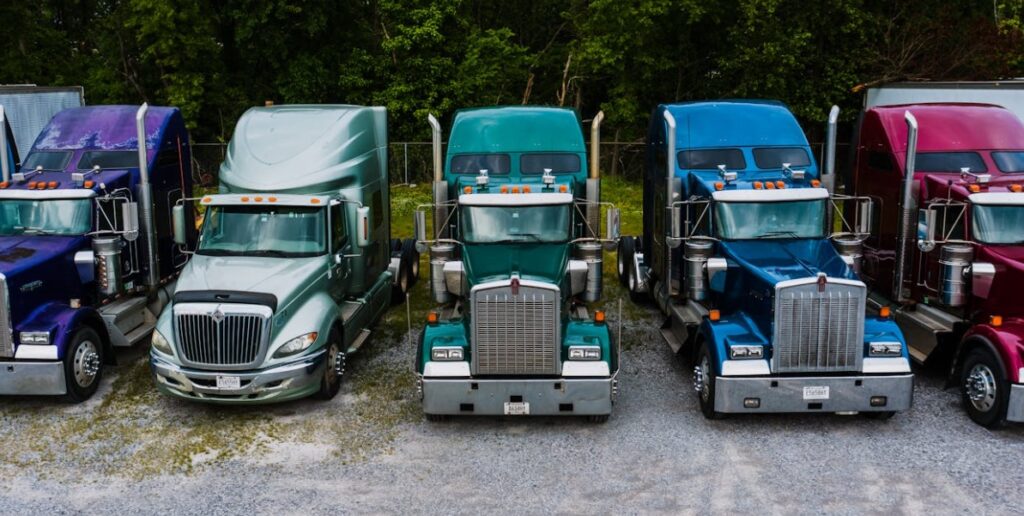
Commercial trucking liability insurance is notoriously complex. For owner-operators leased onto a motor carrier, navigating the alphabet soup of coverage options can feel like driving through dense fog.
Two terms that cause the most confusion are Trucking Liability (often called Primary Liability) and Non-Trucking Liability (frequently referred to as Bobtail Coverage).
Understanding the difference isn’t just insurance jargon—it’s vital to ensuring you aren’t exposed to massive financial risks if an accident occurs. The main difference comes down to one simple question: Are you driving under dispatch, or are you off-duty?
Here is a breakdown of the differences between these essential forms of truckers insurance.
The Heavy Lifter: Primary Trucking Liability
Primary Trucking Liability is the core of commercial trucking insurance. It is the mandatory coverage required by the FMCSA (Federal Motor Carrier Safety Administration) for any rig hauling goods for hire.
This insurance covers injuries or damage to other people or property if you are at fault in an accident while you are working.
When does trucking liability apply?
Primary Trucking Liability is active whether you are “under dispatch” or not. Under dispatch includes:
Dispatched/Driving to pick up a load.
Actively hauling a load from point A to point B.
Driving empty (deadheading) on your way to a new load, under orders from your carrier.
If you are leased to a motor carrier, they typically provide trucking liability coverage for you while you are operating under their authority. The policy covering the motor carriers truckers liability will send the requested federal filings, proving to the government that the truck is legally insured to operate on public roads for commerce.
If an owner-operator trucker is not leased to a motor carrier, they can buy their own trucking liability policy. As the “named insured,” the policy covers the truck whether it’s on-dispatch or off-duty. Truck drivers must remain informed about the federal and state filings required to maintain compliance. It is essential to recognize that operating across multiple states or transporting specific types of cargo may impact the filing requirements necessary to adhere to FMCSA or state regulations.
Filling the Gap: Non-Trucking Liability (NTL)
Truck drivers don’t just drive for work. Sometimes you need to take your rig to get washed on a Saturday, drive it home for the weekend, or use it for personal transportation when you are completely off the clock.
If you are driving your truck for purely personal reasons and are not under dispatch, the motor carrier’s Primary Trucking Liability policy generally will not cover you.
This is where Non-Trucking Liability (NTL) steps in. NTL provides liability coverage for property damage or bodily injury you cause to others when you are using the truck for non-business, personal purposes.
When does Non-Trucking Liability apply?
NTL applies when you are “off-duty.” For example:
Driving the tractor home after dropping your last load and clocking out.
Using the truck to run personal errands on your day off.
Driving the truck to a mechanic for maintenance that isn’t immediately related to a current dispatch.
Clearing Up the Confusion: Bobtail Coverage vs. NTL
In the trucking industry, you will often hear Non-Trucking Liability referred to interchangeably as “bobtail coverage” or “bobtail liability.”
While they are often used to mean the same thing, there is a technical difference:
Bobtail Liability technically covers you when you are driving the tractor without a trailer attached, regardless of whether it’s for business or personal use (though many policies exclude business use).
Non-Trucking Liability covers personal use whether you have a trailer attached or not.
Because NTL is broader and offers better protection for personal use, most modern “bobtail” policies are actually Non-Trucking Liability policies. However, it is crucial to read the fine print of your specific bobtail coverage to ensure it covers personal use with a trailer attached.
The Crucial Note on Cargo Coverage
Finally, there is one vital distinction regarding the goods you haul.
Cargo coverage—insurance that protects the value of the freight you are hauling against theft, fire, or collision damage—can only be added to a Primary Trucking Liability policy.
You cannot add cargo coverage to a Non-Trucking Liability or bobtail policy.
This makes sense because if you are using NTL, you are by definition using the truck for personal reasons and shouldn’t be hauling commercial freight. If you are hauling cargo, you are working, and the Primary Liability (and its attached cargo policy) should be active.
Summary: Stay Covered on Every Mile
Whether you are an independent owner-operator or leased to a fleet, knowing which insurance policy is active at any given moment is critical.
On Dispatch (Business): You rely on Primary Trucking Liability (and associated federal filings).
Off-Duty (Personal): You rely on Non-Trucking Liability (or bobtail liability) and may require federal filing.
Don’t get caught in the gap between policies. If you have questions about your current coverage or need quotes on reliable truckers insurance, contact our agents today to ensure you are protected, mile after mile.
Contact AlphaSure Affordable Insurance Services for free trucking liability insurance quote. We have offices in Laredo and San Antonio, TX and have served the Great State of Texas since 2001.
3740 Colony Dr Suite 280 San Antonio, TX 78230 Office: (210) 888-1750 Email: service@stxinsure.com
201 W Del Mar Blvd Suite 20 Laredo, TX 78041 Office: (956) 729-9500
Learn more about trucking liability insurance filing requirements on the FMCSA website.
If you need a personal auto insurance quote, you can go online or call us.